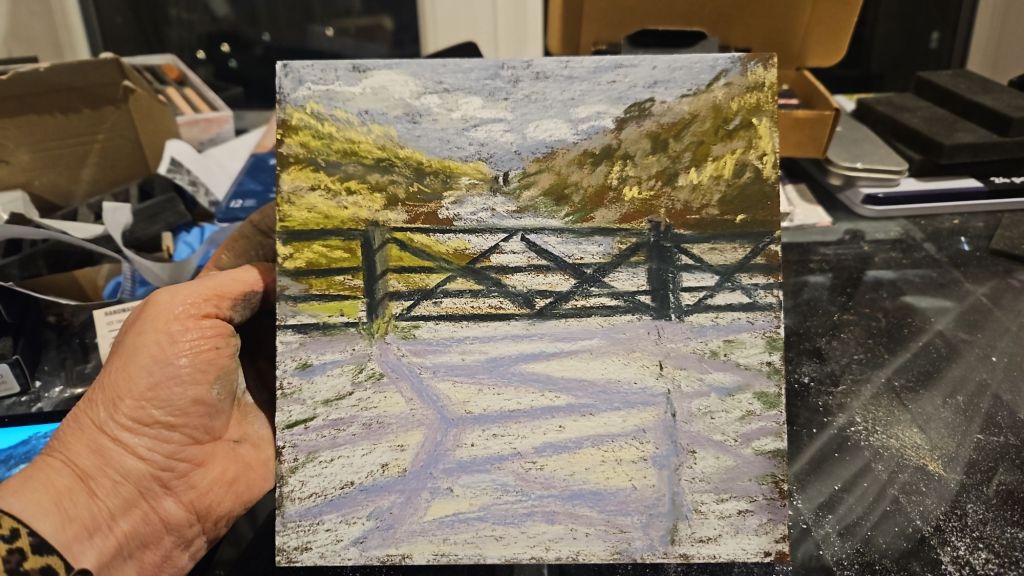
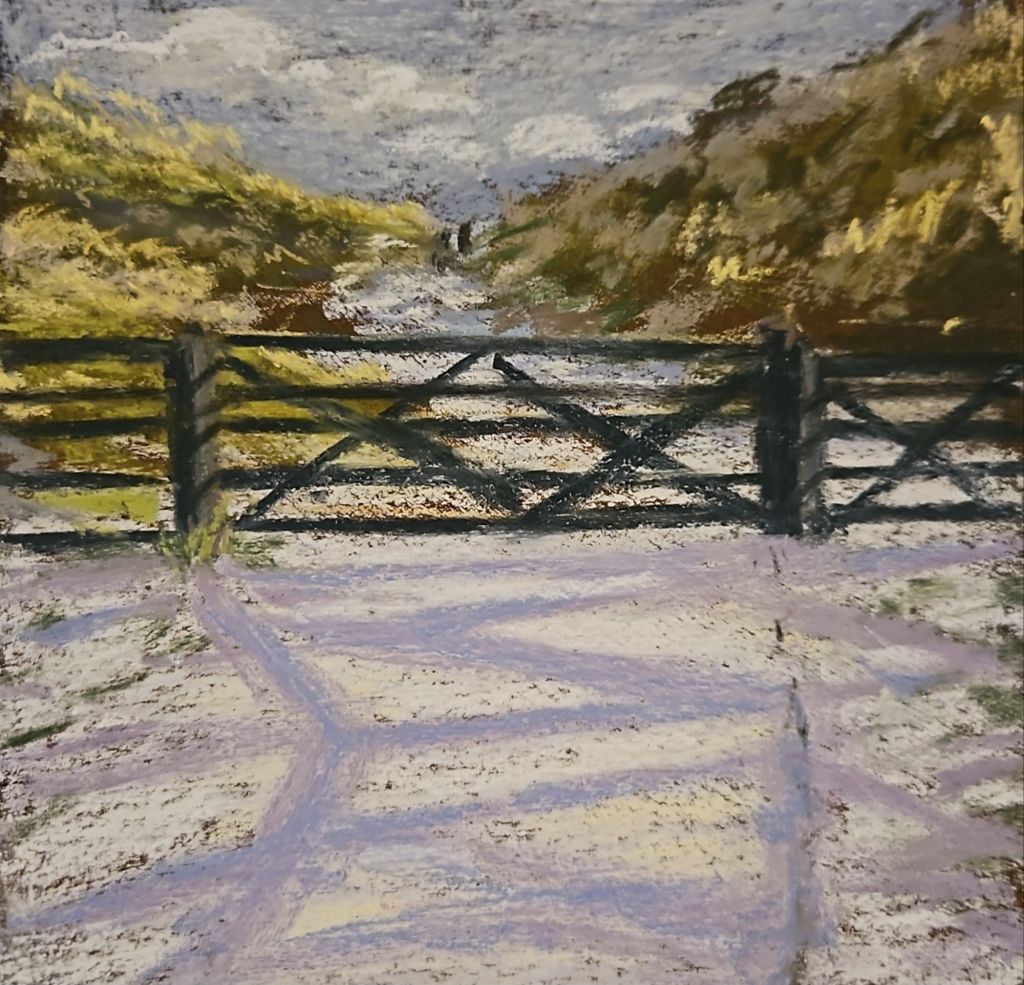
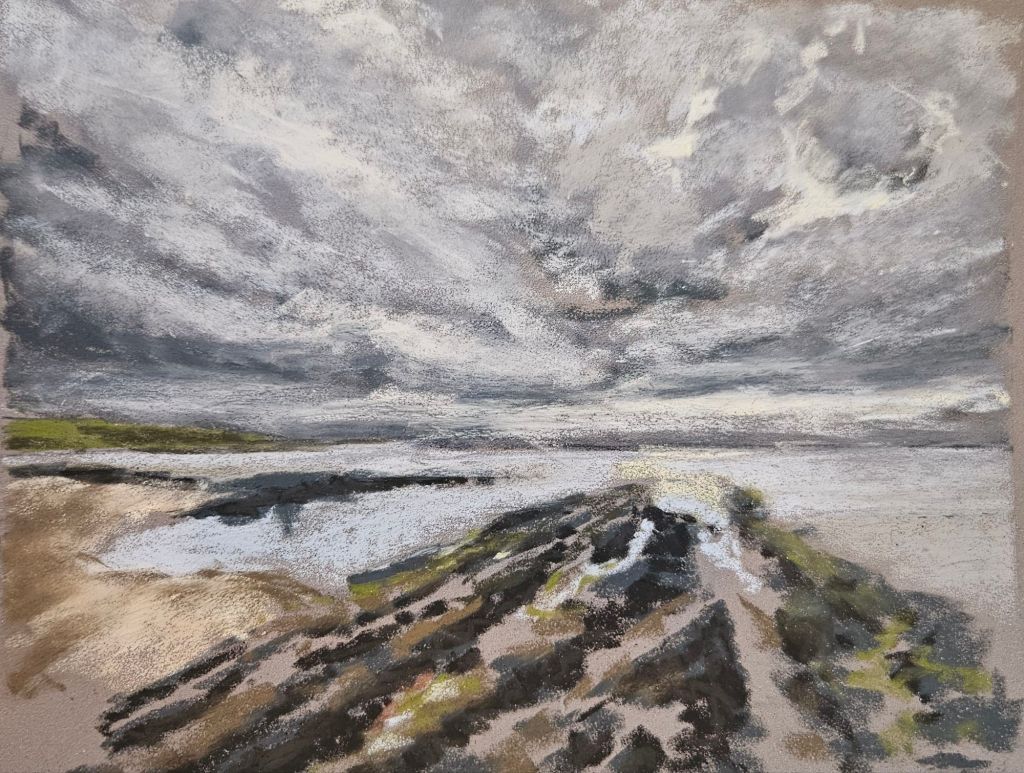
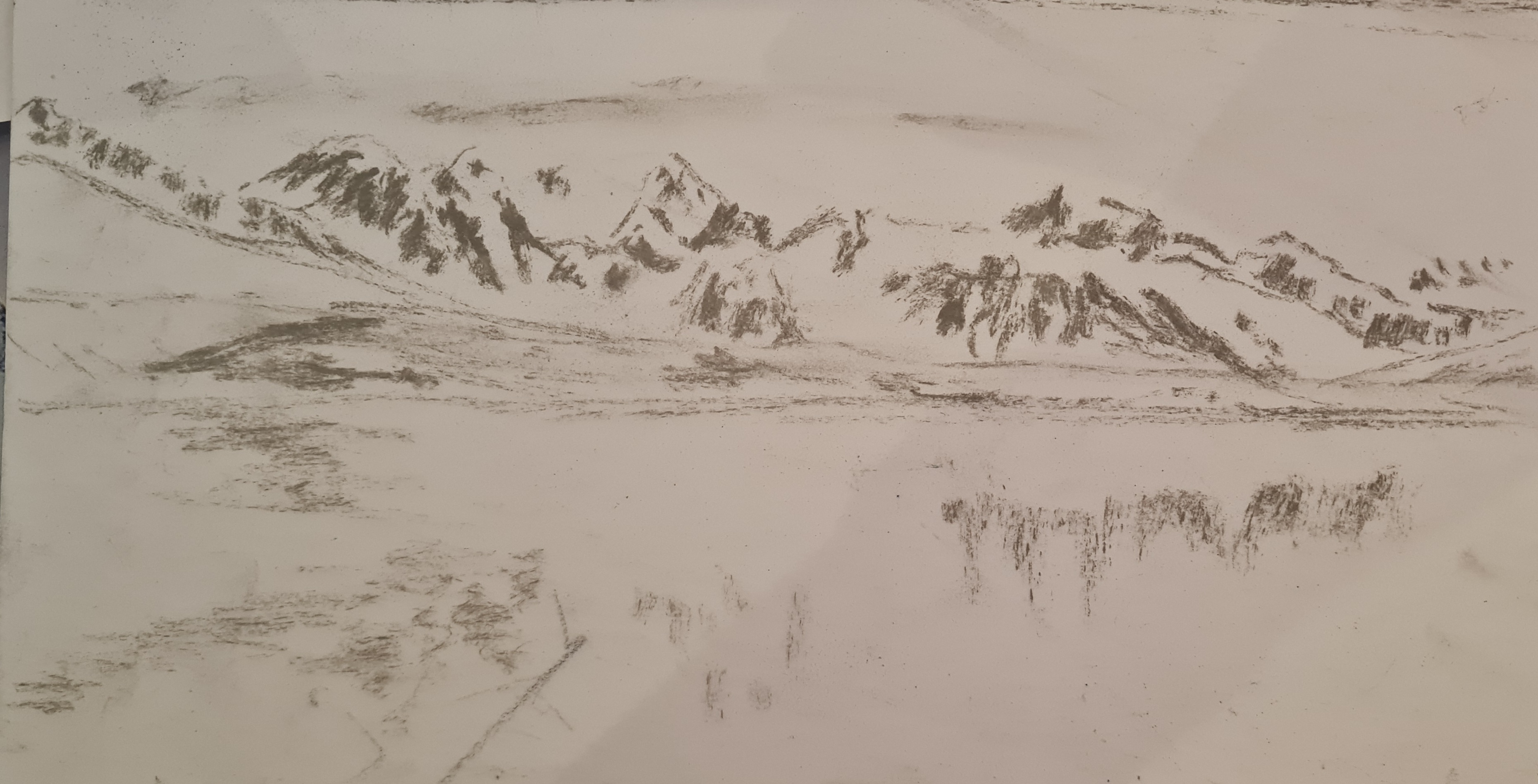
I both like the light in it and am disappointed with the light in it. I hadn’t v really thought through how to approach this painting; got part-way and then decided to do it differently, but by that stage I was down to 11 minutes.
Still there’s a warmth and hope to it amidst all the sketchiness. I hope you enjoy.
If you follow this blog you’ll know that I’ve been taking part in a January “20 in 26” painting challenge.
The challenge is that I have to paint for at least 20 minutes each day for 26 days. I can work on individual paintings or a single painting in 20 minute intervals. I’m at the halfway point and just finished Day 13.
For the most part I’ve stuck with 20 minute paintings because they are so alien to my normal practice and they’re teaching me lots about suggestion and looseness and prioritisation (see my previous post).
But there have also been three x 40 minute paintings, one that took an hour and two that I did in just 15 minutes.
Throughout January I am taking part in the Pastel Society of Ireland’s #20in26 challenge.
Essentially this amounts to doing one 20 minute pastel painting per day for 26 days in January (you can also work on a painting in 20 minute chunks at a time, posting your work at the end of each stage).
My work land heavily towards detail and realism and I have been quite daunted by the challenge of capturing something in only 20 minutes.
The results so far are mixed. But the experience has been wonderful:
20 minutes flies past. But actually you can achieve so much more than you think
In 20 minutes perfection is impossible (the same is true of 20 hours or 20 days or weeks, but in 20 minutes you become acutely aware of this.
However there is a real freedom in letting go of the dream of perfection and art at paced becomes more intuitive and playful
For most of the days so far I’ve been away from home and so working with the very limited palette of pastels I brought with me – this has been a blessing in some ways but had also constrained me. Though there is a sense of cohesiveness through all the mini paintings I’ve done so far.
20 minutes is achievable as a daily practice – even when you work full time on other demanding work. And so in January 2026 I’ve already been more prolific than many other years
20 minutes also forces you to make choices about what you want to prioritise and draw out of each piece – what’s the art hero of this work – that makes for stronger work that can than flow across into your main practice.
As someone who struggles to let go of detail, I’ve finally discovered that one secret to painting more loosely is to paint as if the devil is chasing you 🙂
All in all though, this 20 minute painting challenge has been a brilliant way to fall back in love with the joyful art of painting, releasing my death grip on the product and enjoying the roller coaster of the process and opened up a more dynamic energetic and vibrant art practice.
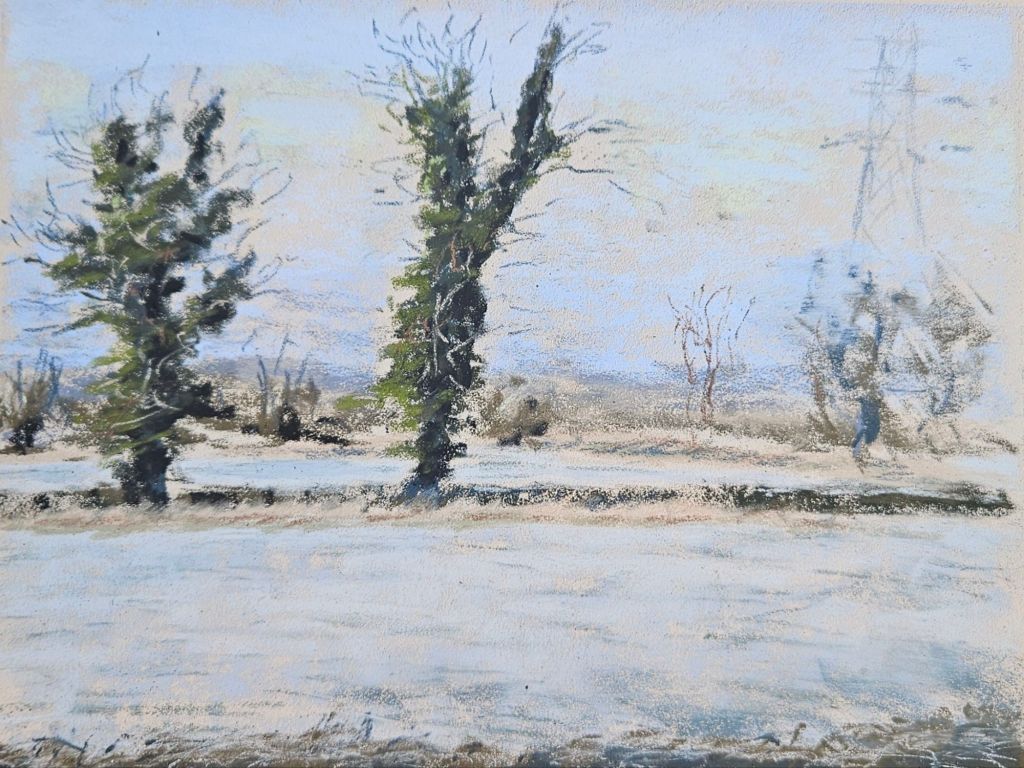
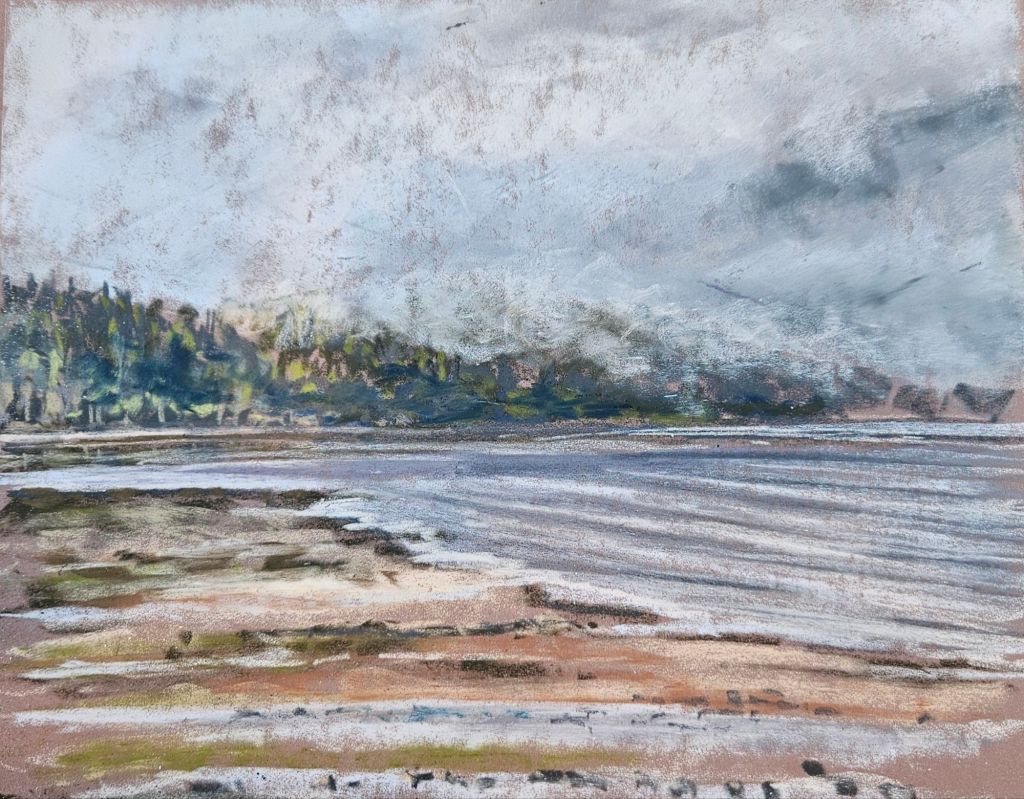
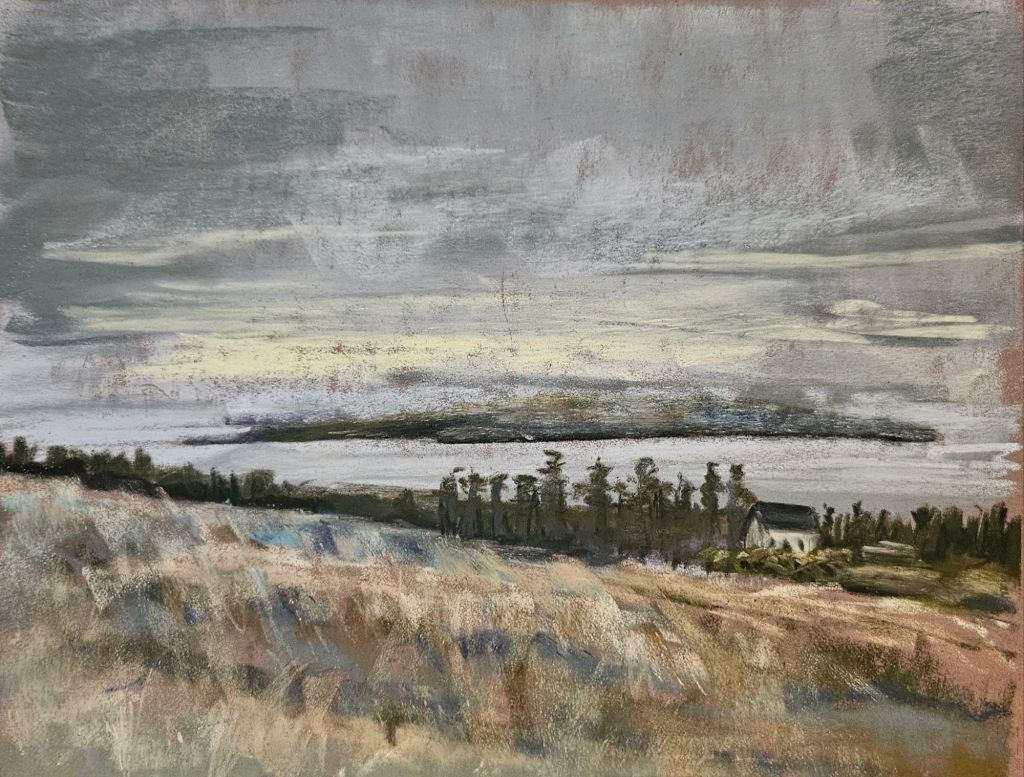
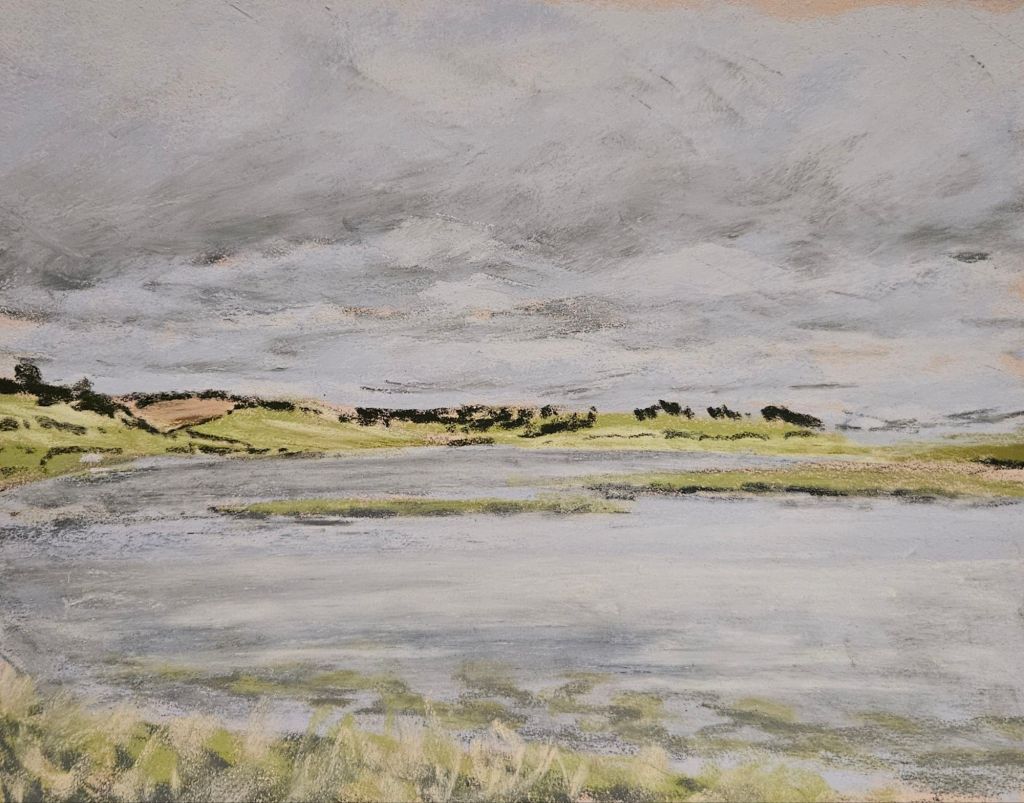
Here are my pieces so far this month:
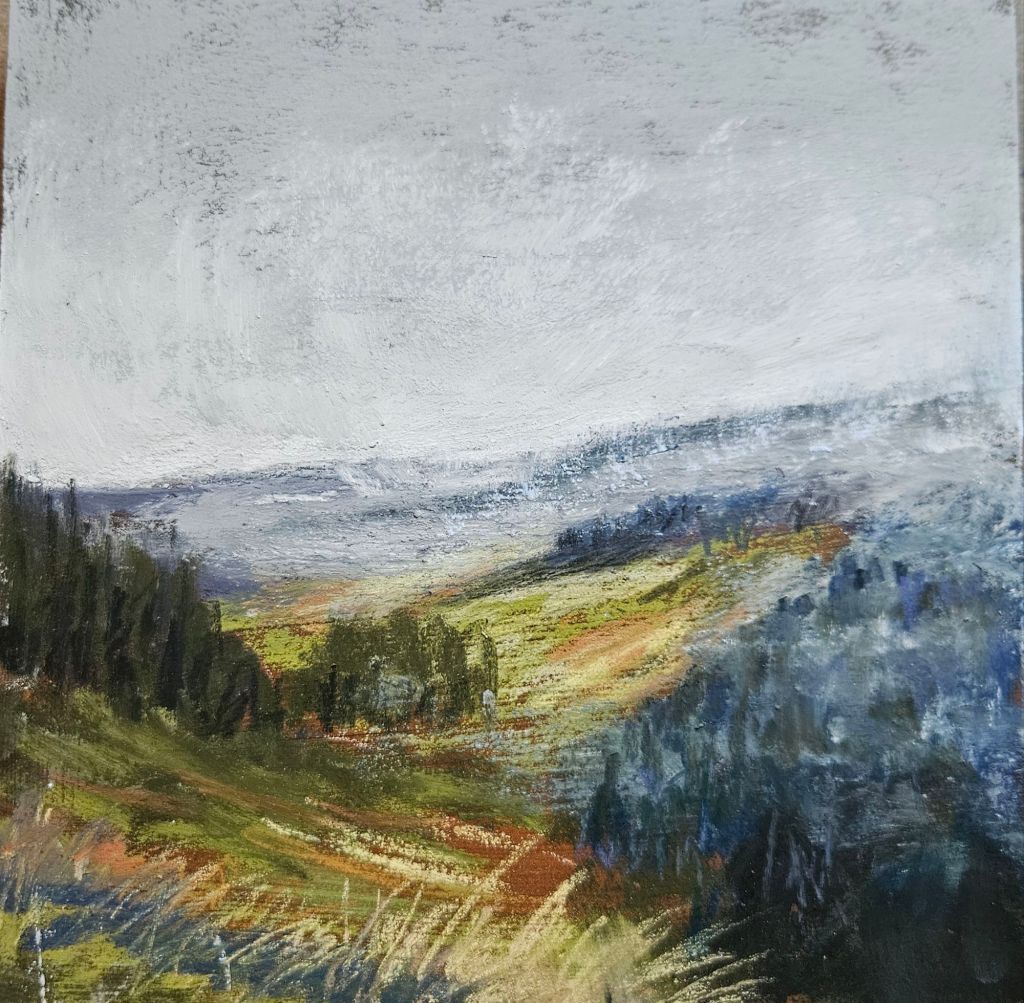
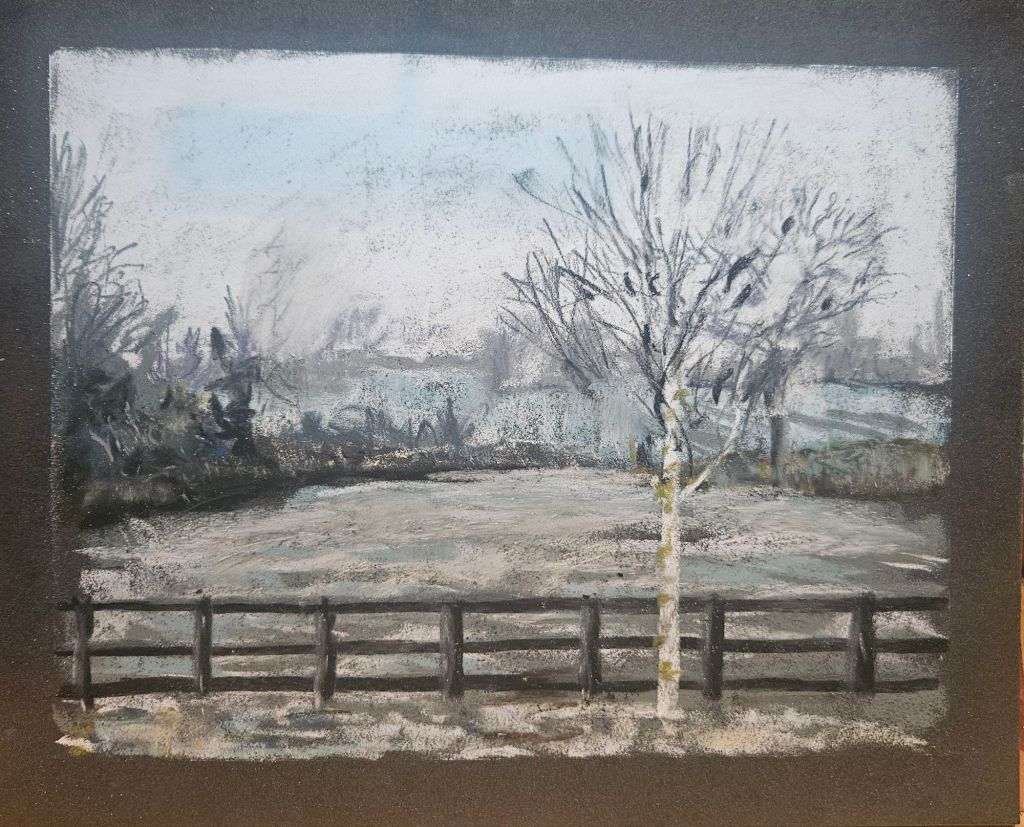
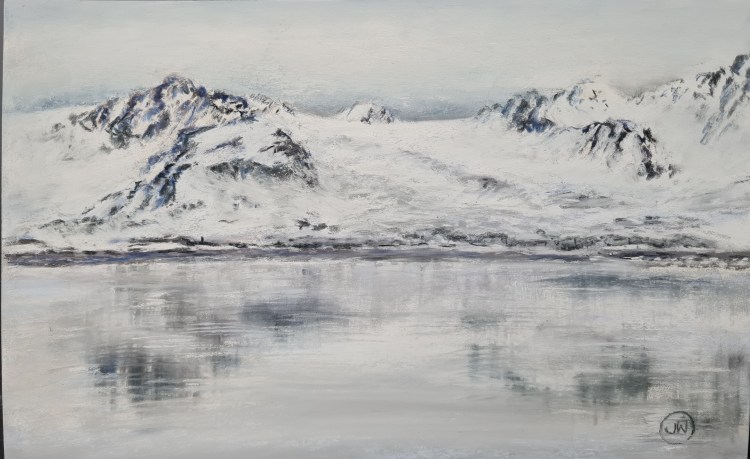
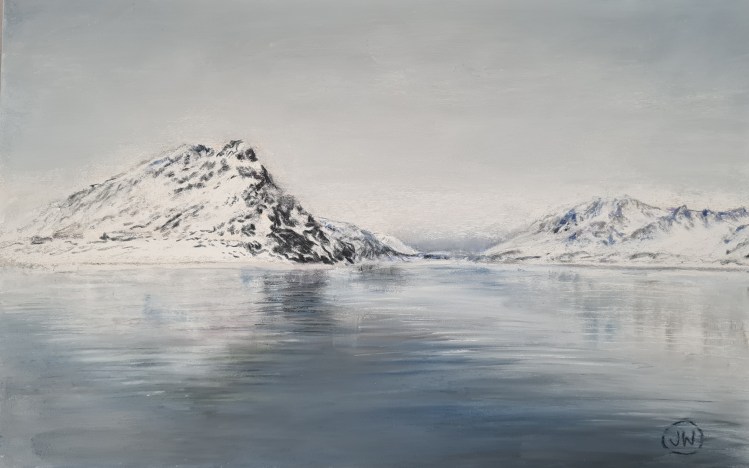
Murlough, pastel on primed woodMurlough, pastel on primed woodArran in January, pastel on primed woodCape Breton by moonlight, pastel on primed canvas (16 x 16 cm)Freezing fog, Bleary, pastel on sanded cardFrozen morning, Bleary, pastel on sanded cardArran at low tide, pastel on sanded cardCape Breton, before sunrise. Pastel on sanded cardDundrum inner bay. Pastel on sanded cardPortballantrae, low tide (part 1). Pastel on sanded card
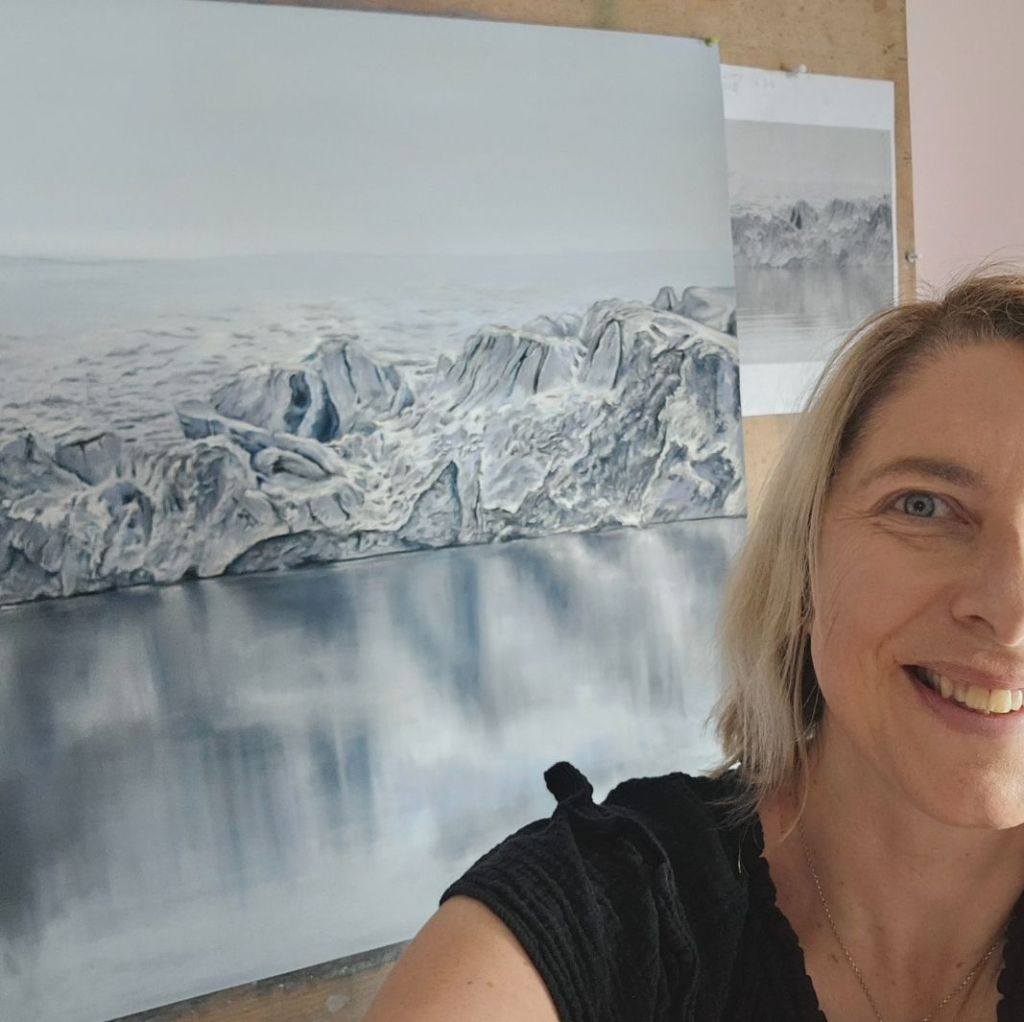
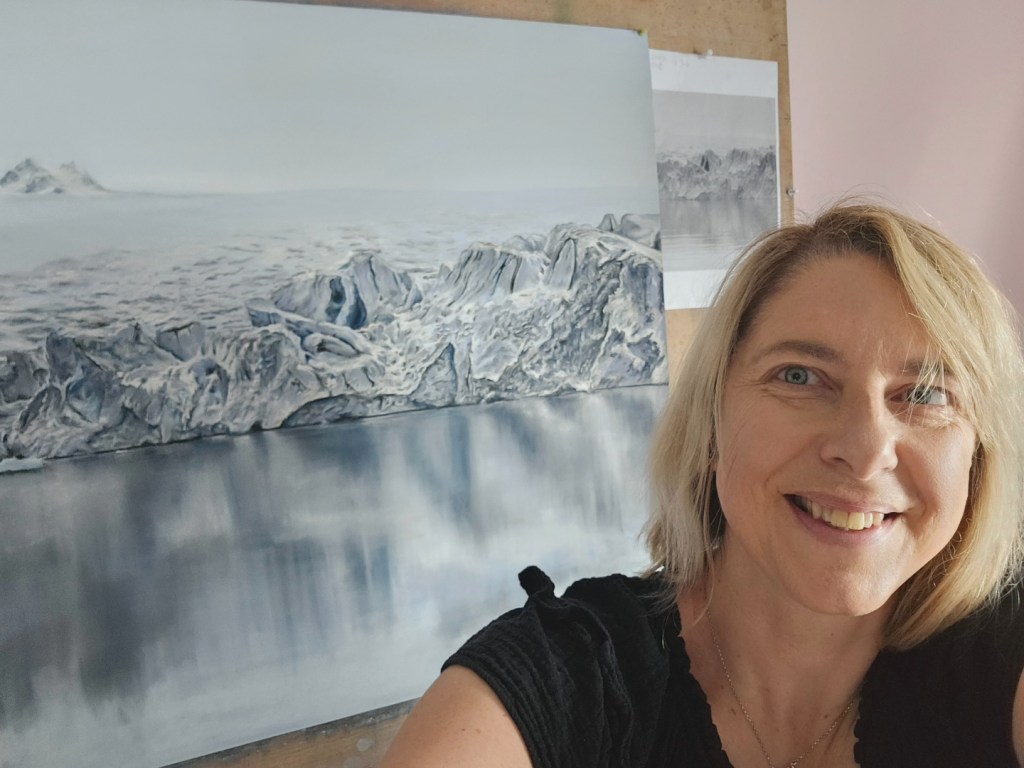
I THINK I finished another painting last night. I’ll keep it on the easel for a day or two. But that just leaves 1 final painting that I’m planning for this collection of paintings of Svalbard. That makes me just a little bit sad, but also really pretty excited. My studio is small and so, whilst I’ve obviously seen each painting as I’ve been working on them, I haven’t got to see them all together as a collection.
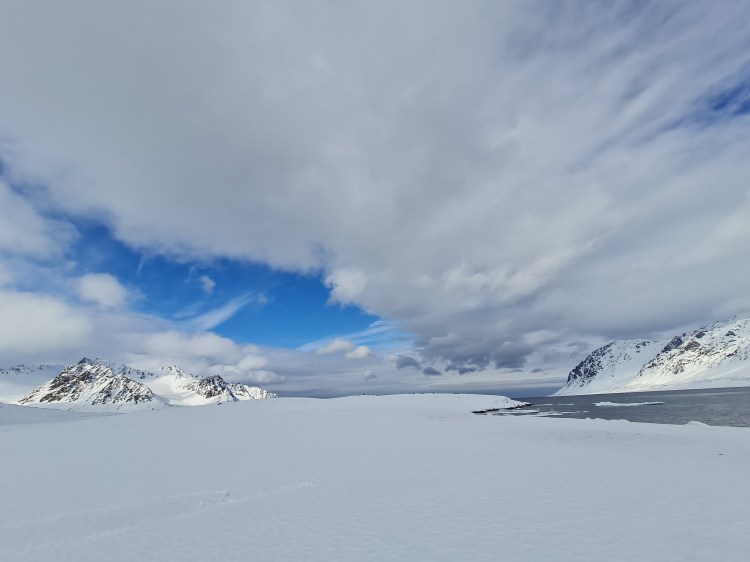
This is a preview of the collection so far. It’s my love song to the High Arctic – the most amazing place in the world for me. Painting it helps me relive how I felt when I was there.
I’ll post more details on my upcoming exhibition with @susiemooart in due course. It’s going to run from January to April 2025.
For now, I hope you enjoy this sneak peak of all but my final painting.
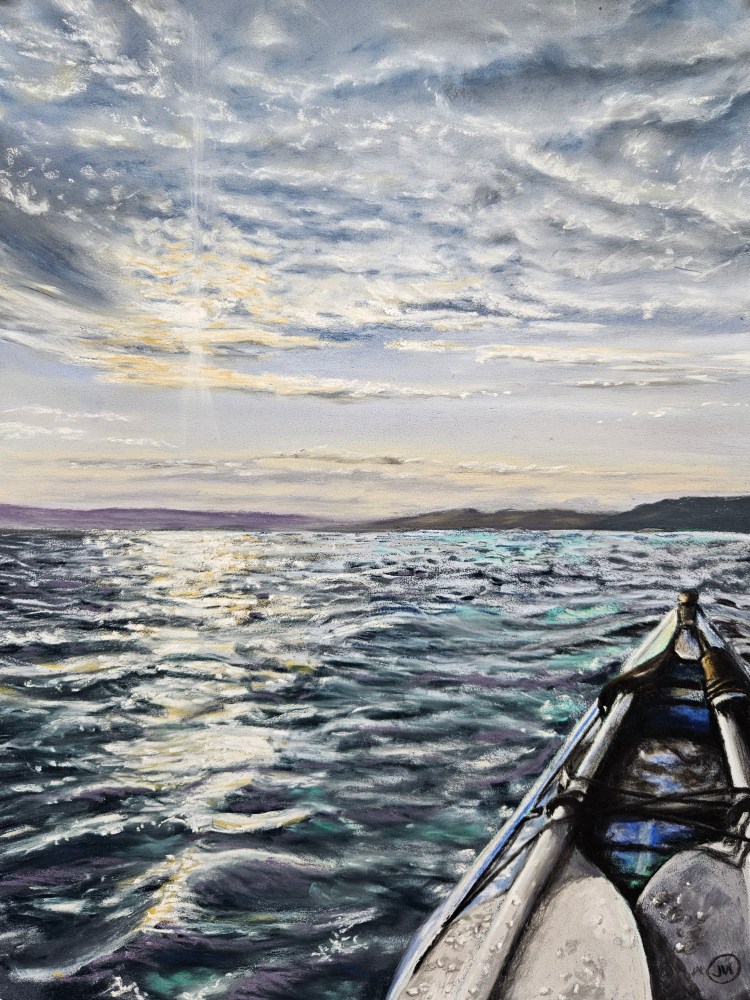
Just a short post. I took a break from painting Arctic scenes to do this recent painting of kayaking into the sunset.
I was drawn by the light through the clouds and the low perspective on the waves. And I wanted to conjure up what it feels like to be in that kayak; to feel and hear the low thump of waves against the hard plastic hull; to feel the boat bobbing: and the squint of your eyes against the light.
I’ve learned a lot about painting believable seas and skies from other artists. Still a way to go before I’m truly happy with what I’m painting. But still a sense of achievement and satisfaction with this one.
My last post was a few months ago and I talked about my excitement at collaborating with fellow Northern Irish artist @SusiemooArt on an exhibition of paintings inspired by our respective travels in Svalbard in the High Arctic.
The exhibition will run from January to March 2025 in the North Down Museum in Bangor, County Down.
I’ve been continuing to paint, focusing mainly on my Arctic paintings, albeit interspersed with other projects here and there.
I’m drawn to the cinematic landscape and ghostly light of the Arctic and could happily paint nothing else.
I’ve got seven paintings completed now and planning to work on another seven or eight. Here’s the story so far….
Lilliehöökbreen
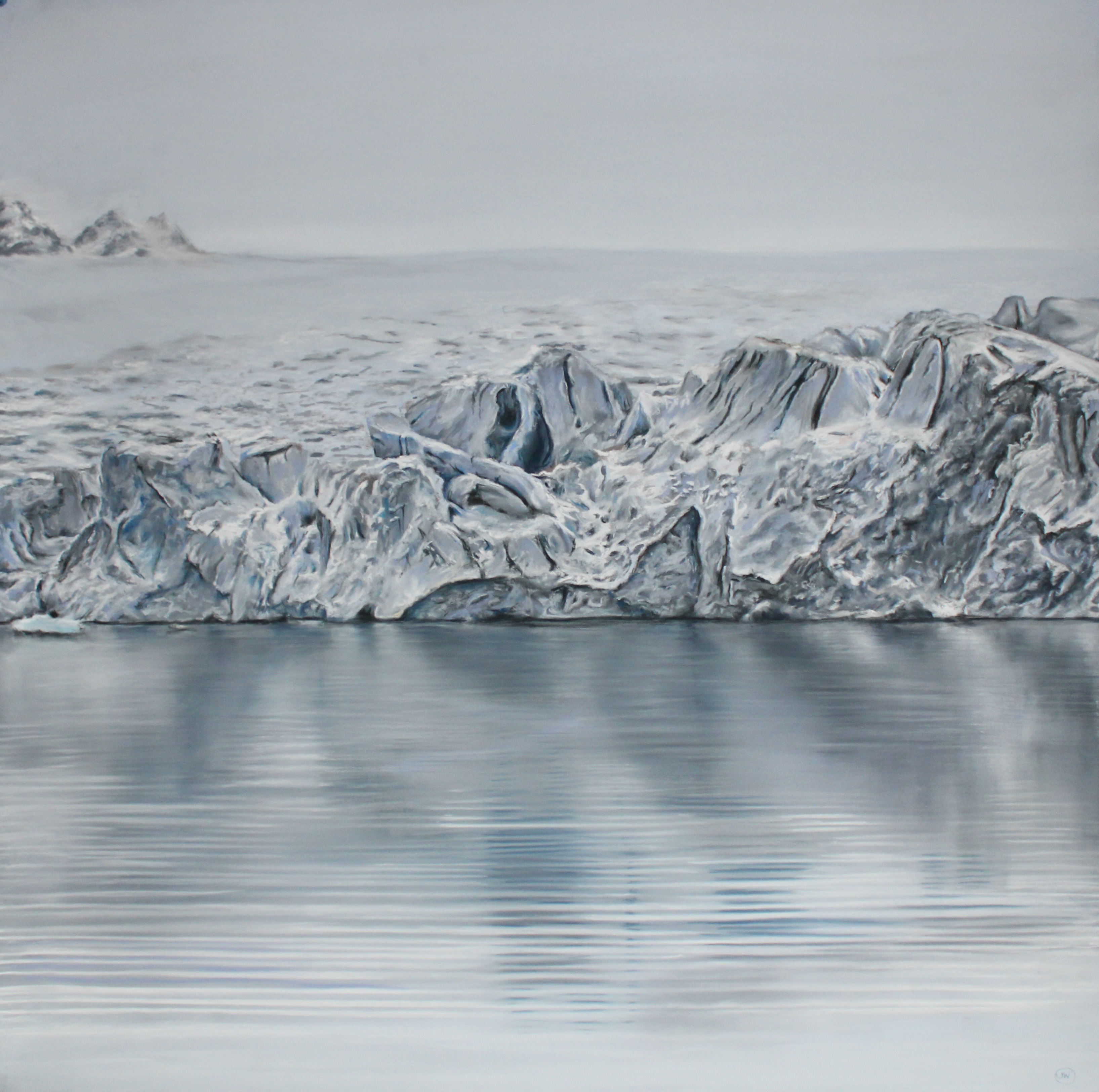
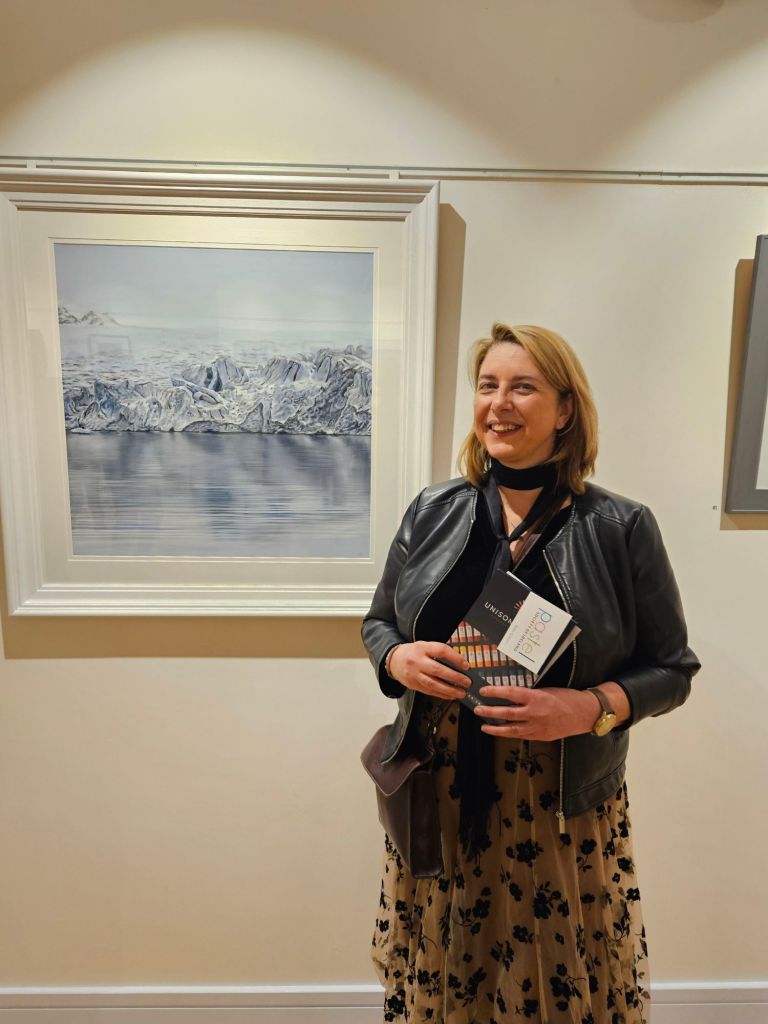
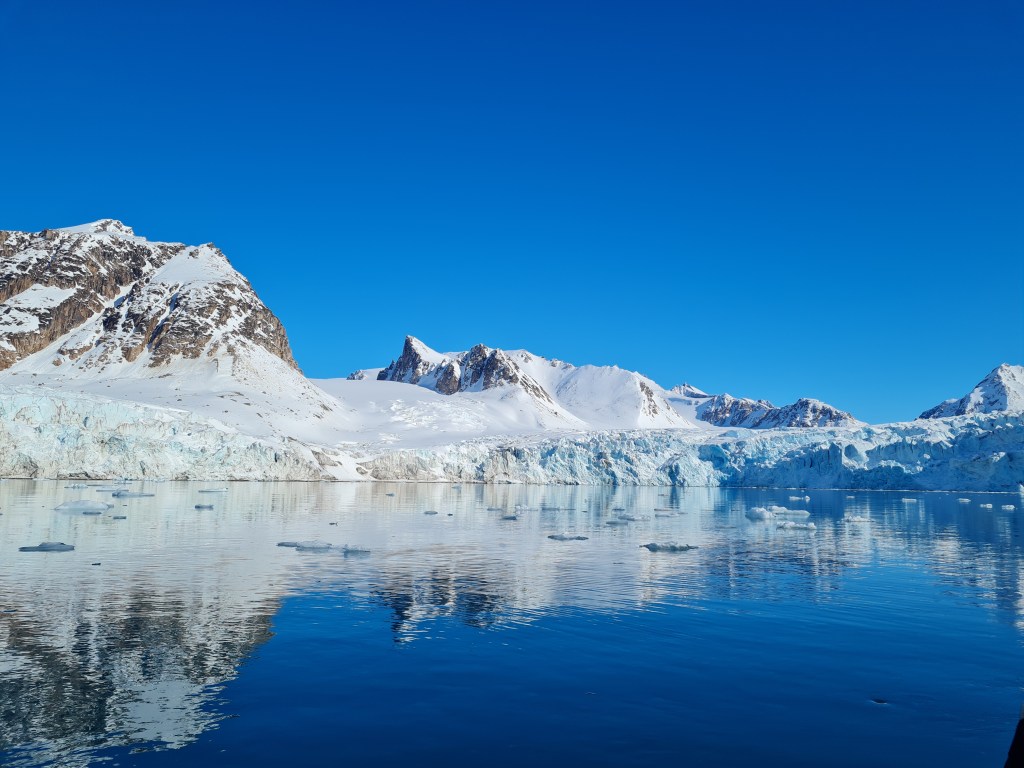
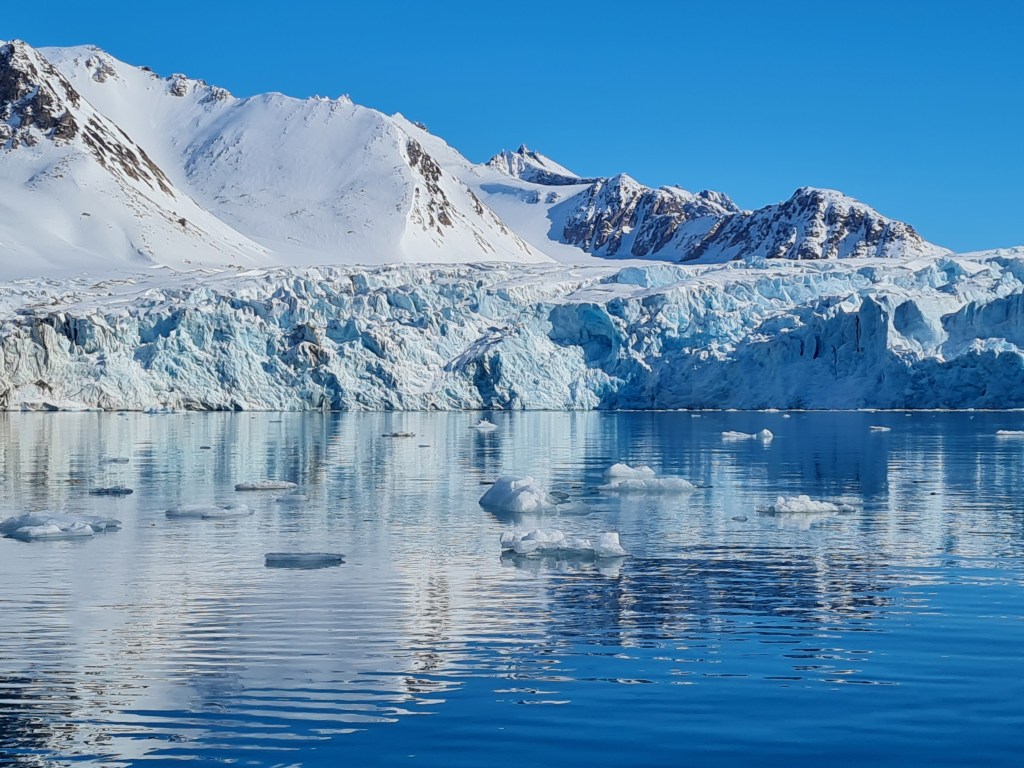
My painting of of the Lilliehöökbreen glacier is probably my all-time favourite painting. I was honoured that it won the Unison prize at the Pastel Society of Ireland’s exhibition earlier this year. I could get lost in those soft blues and, in reality, I probably did just that for around 30 hours when I was painting it.
Lilliehöökbreen, pastel on pastelmat, 70 x 70cm
Nordstjernen
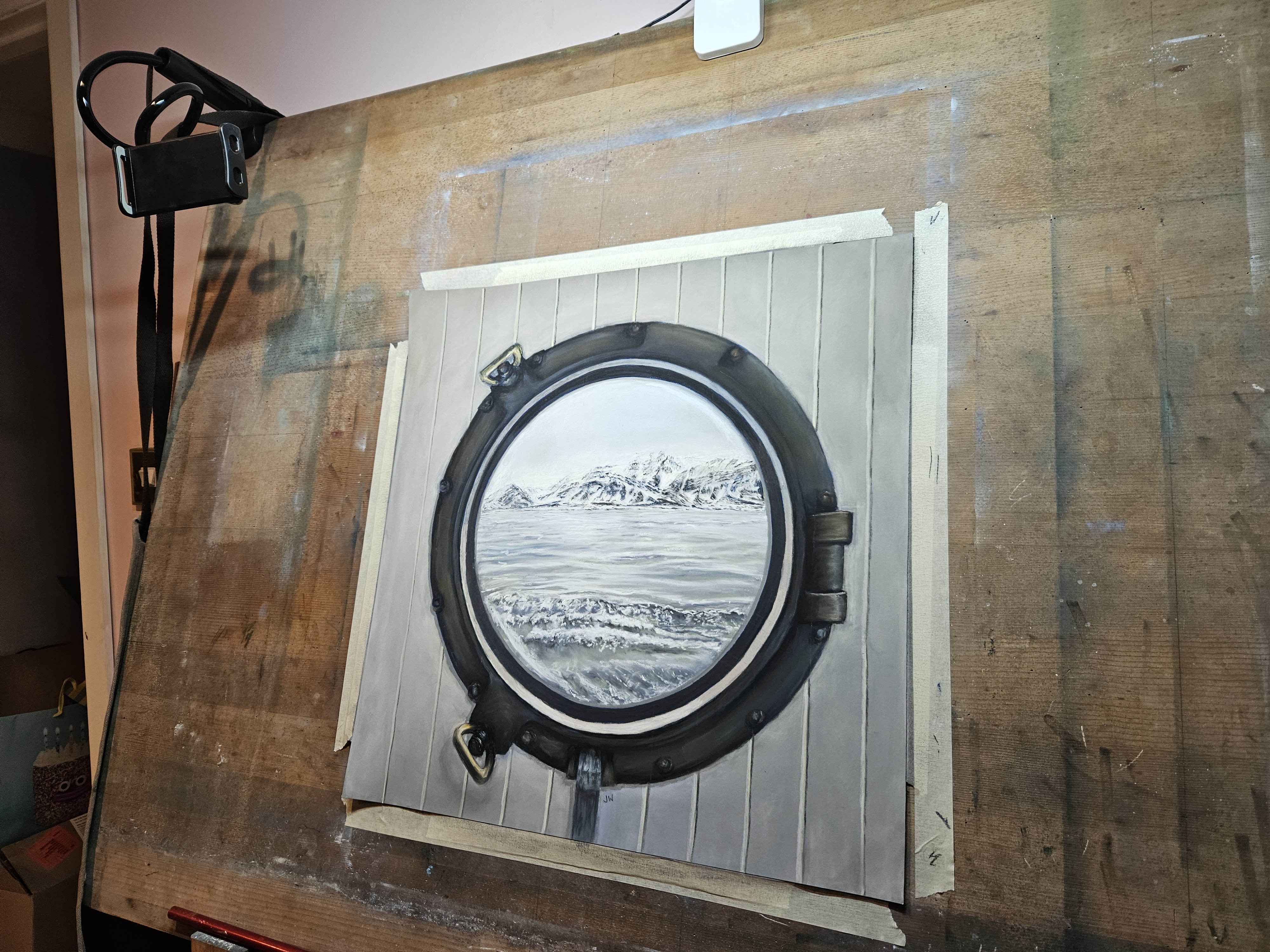
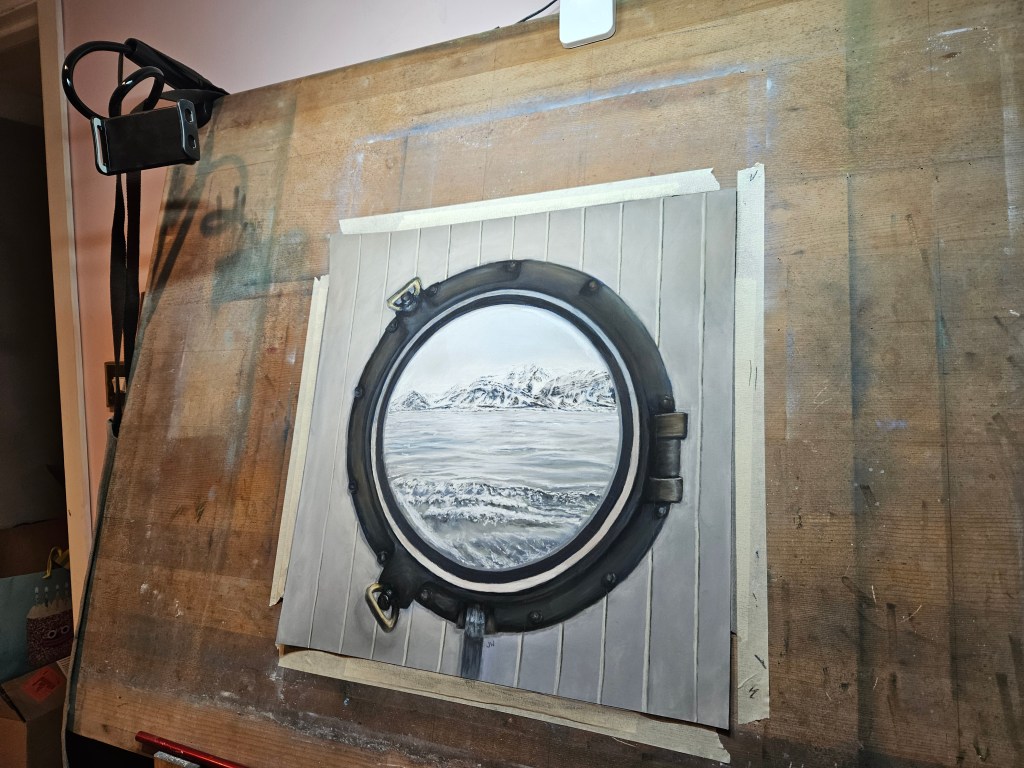
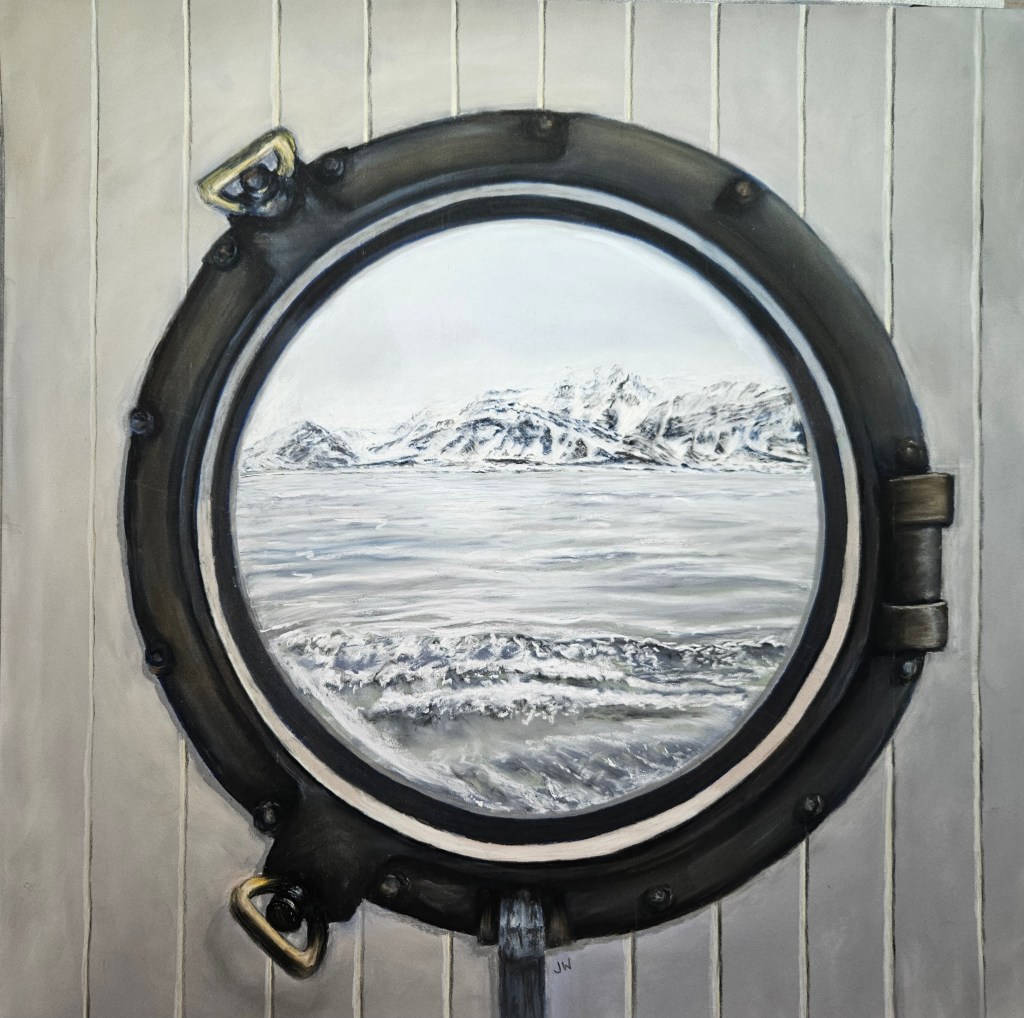
I spent three days on an expedition ship which allowed me to travel beyond the 80th parallel to the edge of the Ice cap. It was epic. I spent most of my time in deck absorbing as many sights as I could. But I wanted to pay tribute to my tiny cabin with the best window on the world of all time.
Nordstjernen- pastel on pastelmat 50cm x 50cm
Arctic Dreams
I’ve done a few smaller paintings using Lux Archival paper which is more textured than my usual pastelmat, but it allows me to experiment with underpaintings and to fill up the paintings with more layers and depth. You can see some of the process and the finished effects in these two pieces.
Birds of the High Arctic
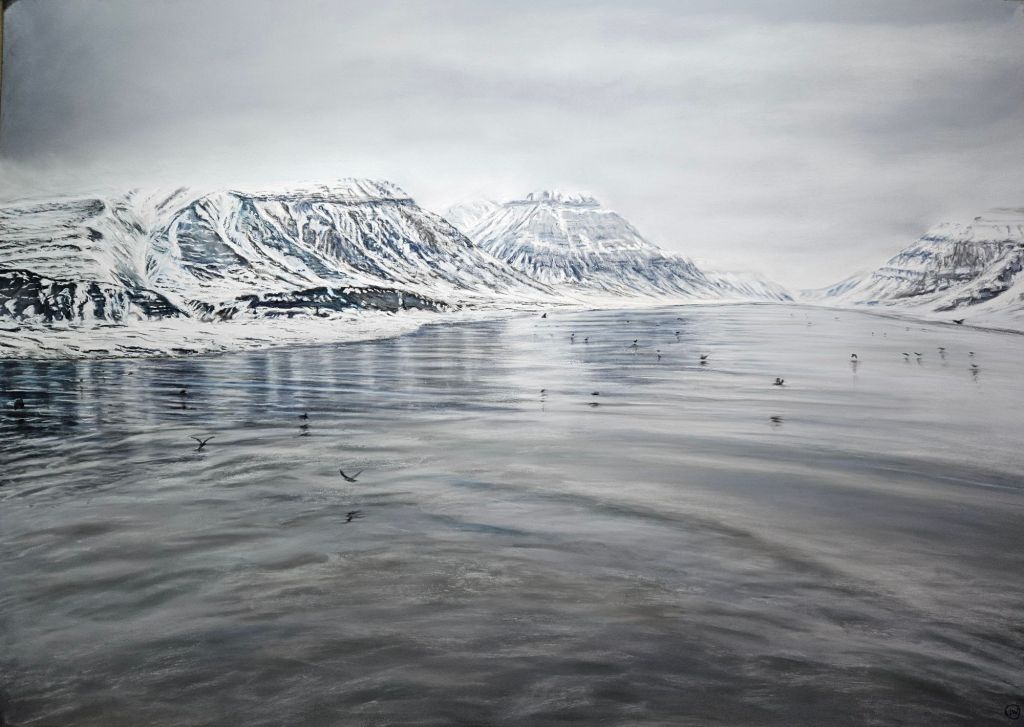
This painting is the giant of the collection, weighing in at an epic 100 x 70 cm. I wanted to capture and reflect the scale of the landscape, but I also wanted to capture the grace of the Northern fulmars as they swooped and surfed across the mirror-like waters of Tempelfjorden.
Birds of the High Arctic, pastel on pastelmat board, 1m x 70cm
Gathering storm
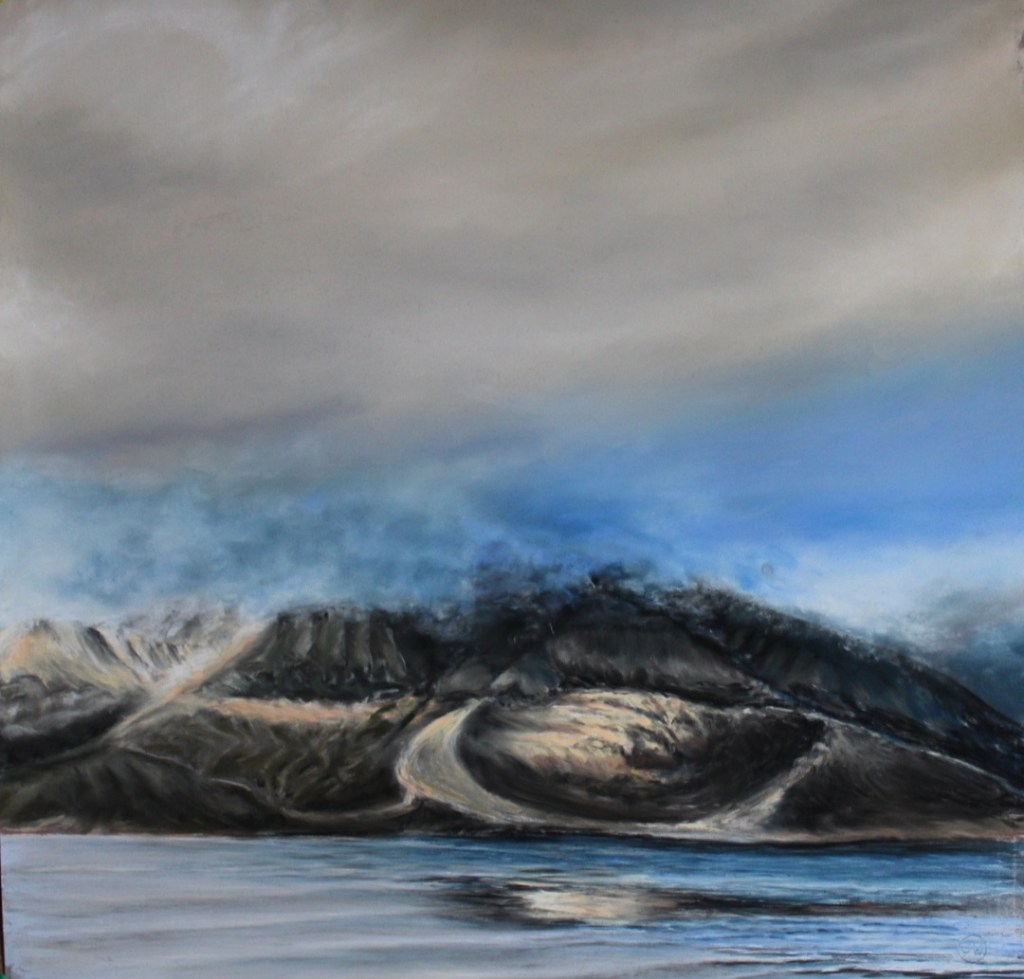
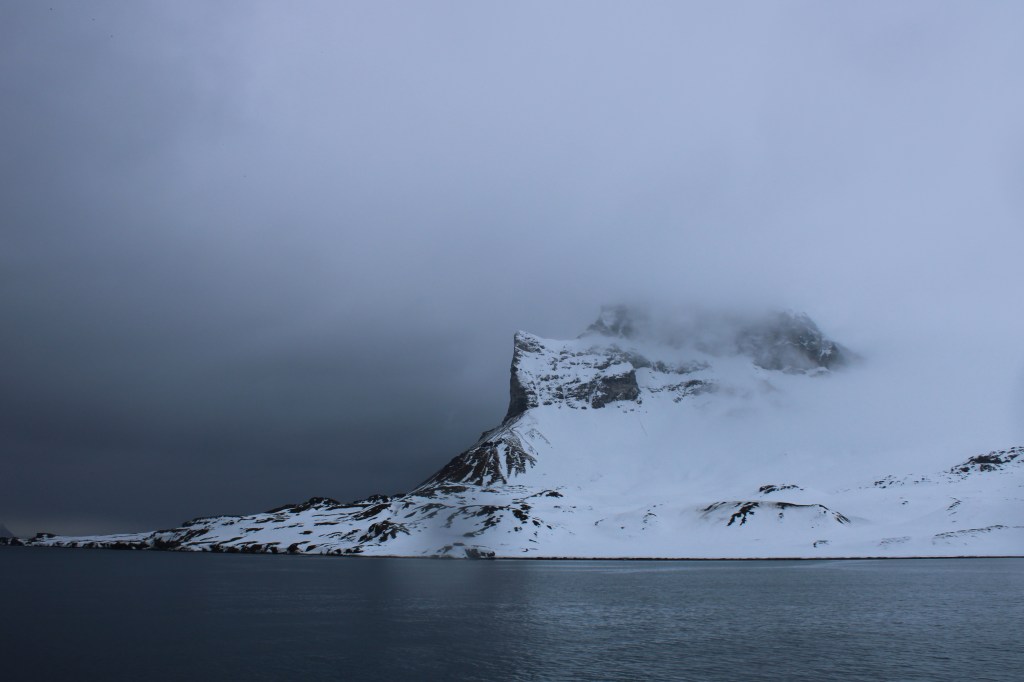
Weather and light are the currency of Svalbard. This painting seeks to capture both. Here’s a little glimpse into how it evolved…
Gathering Storm, pastel on card, 50 x 50cm
Haunted shore
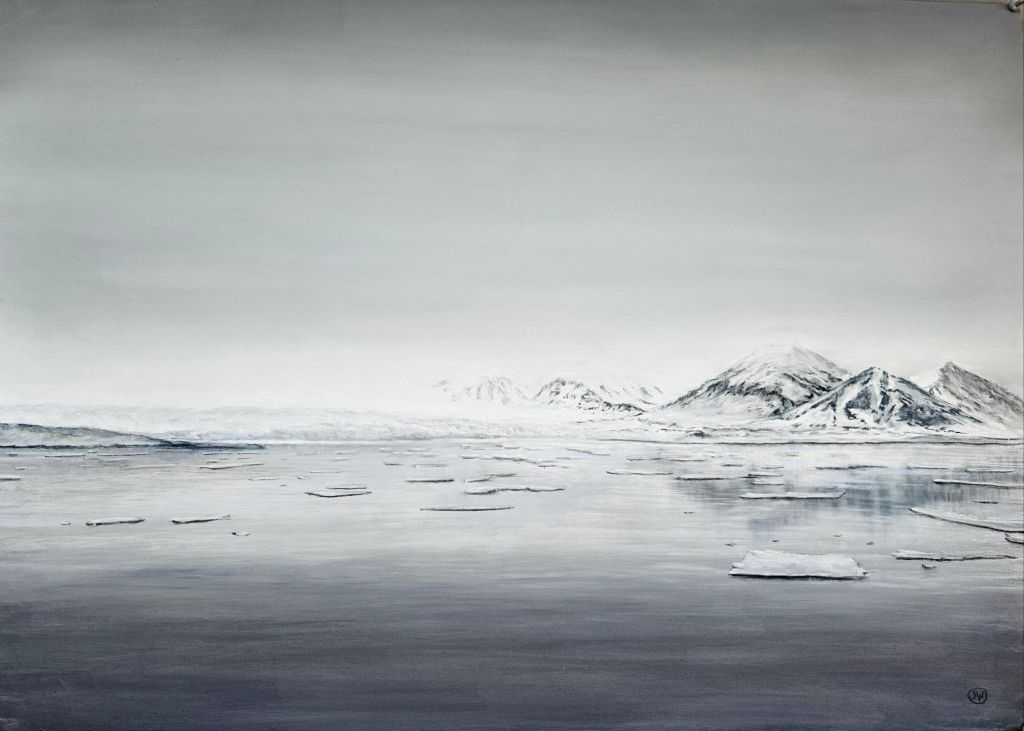
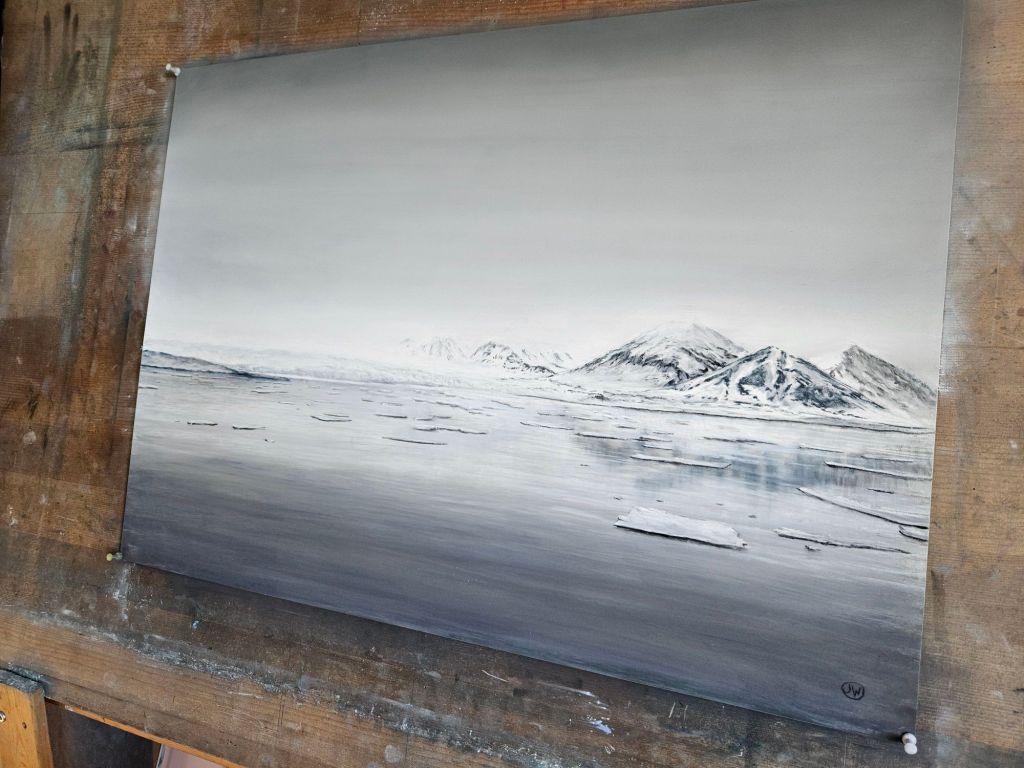
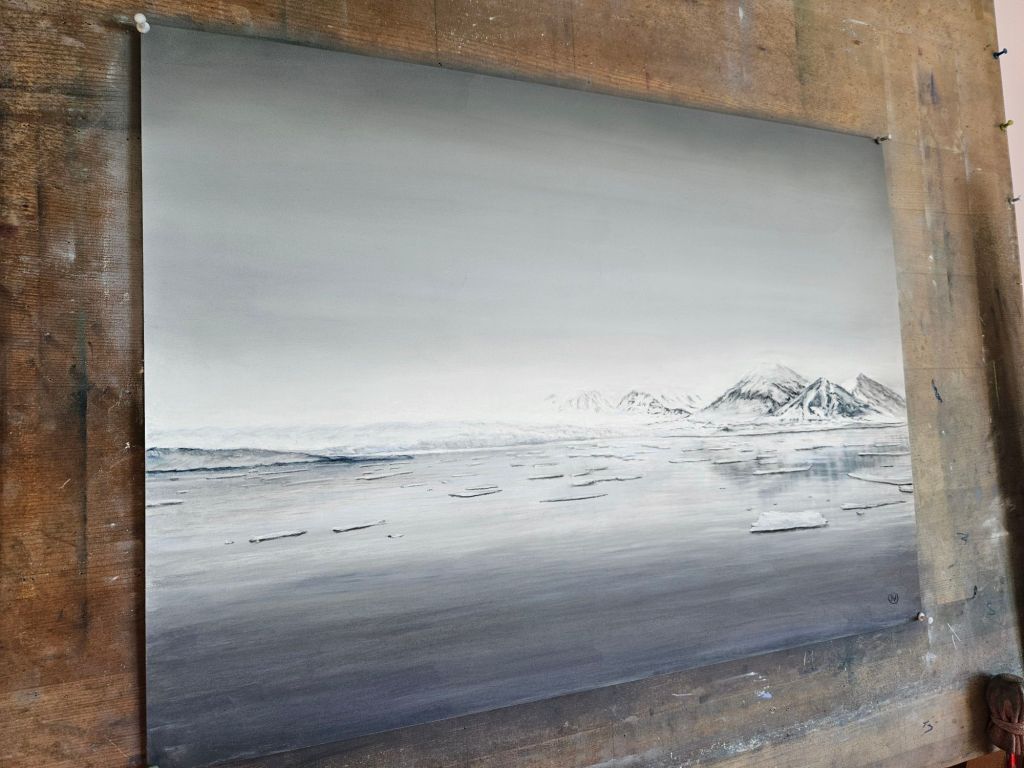
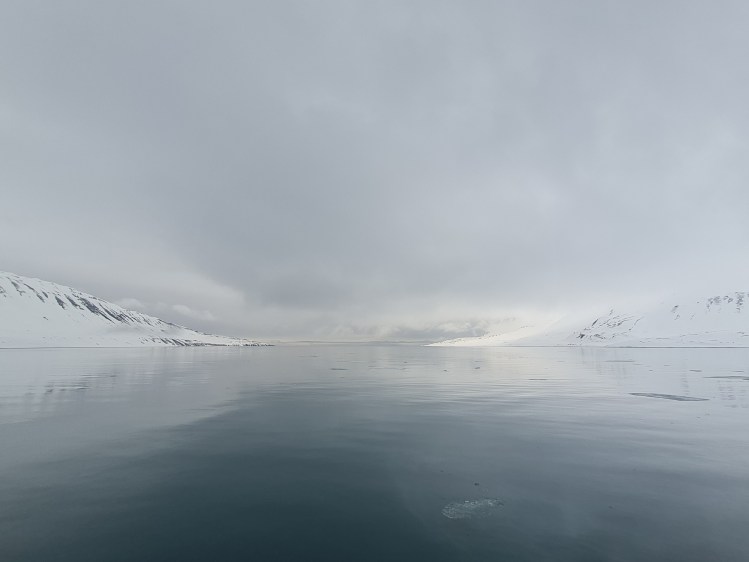
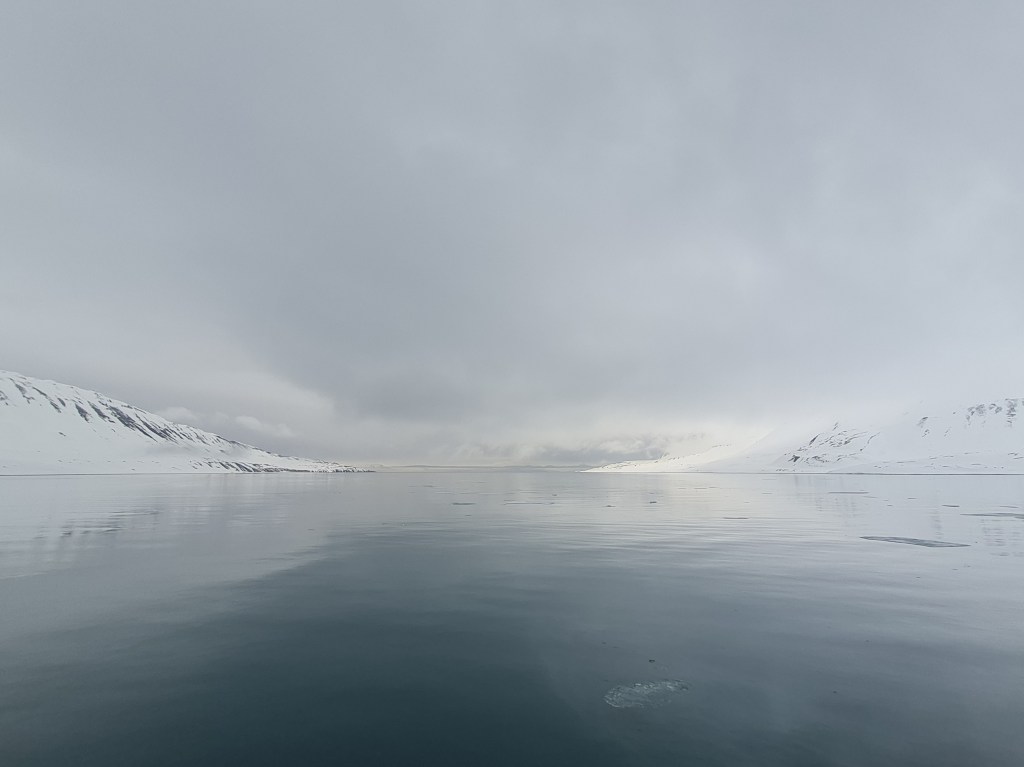
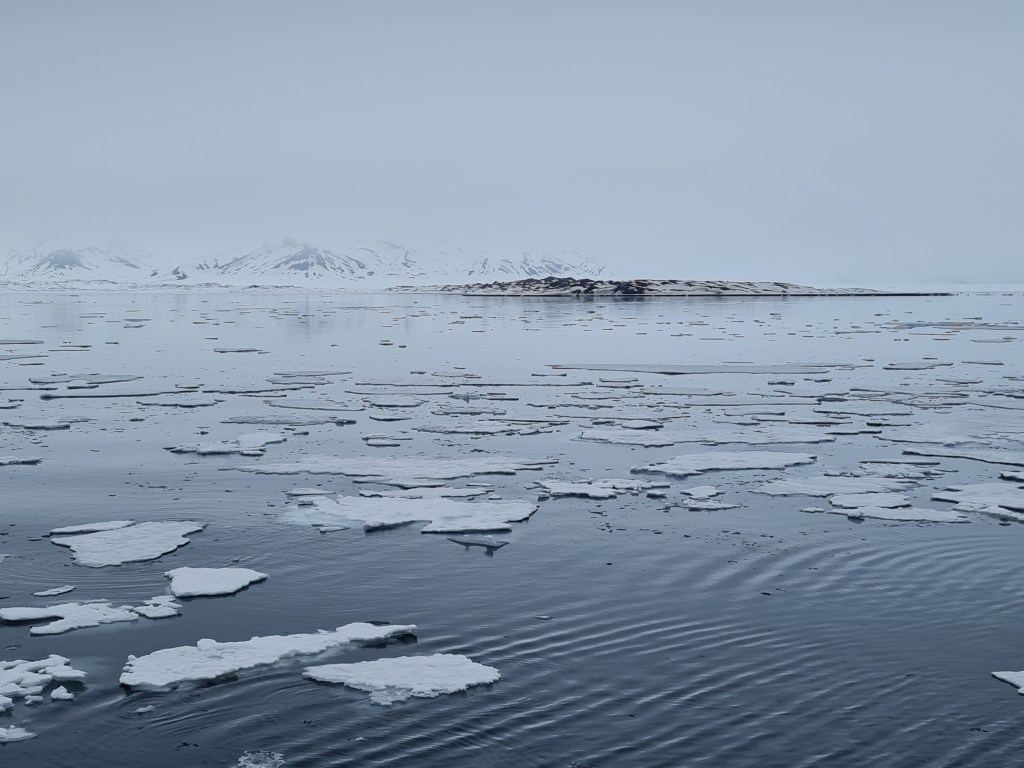
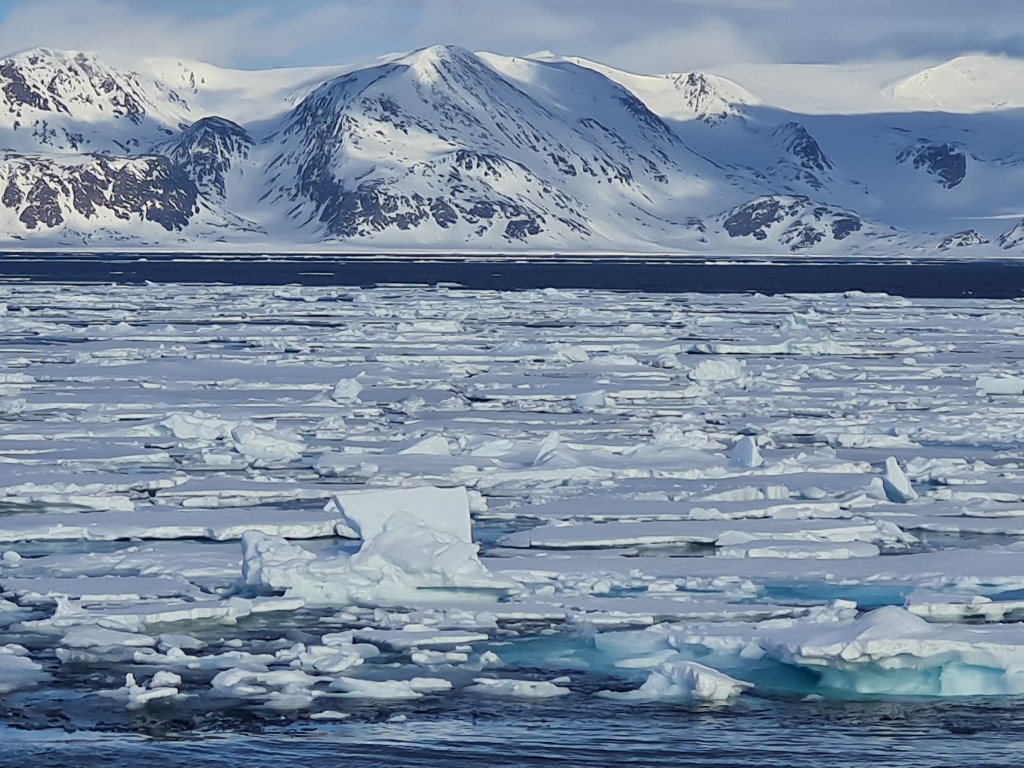
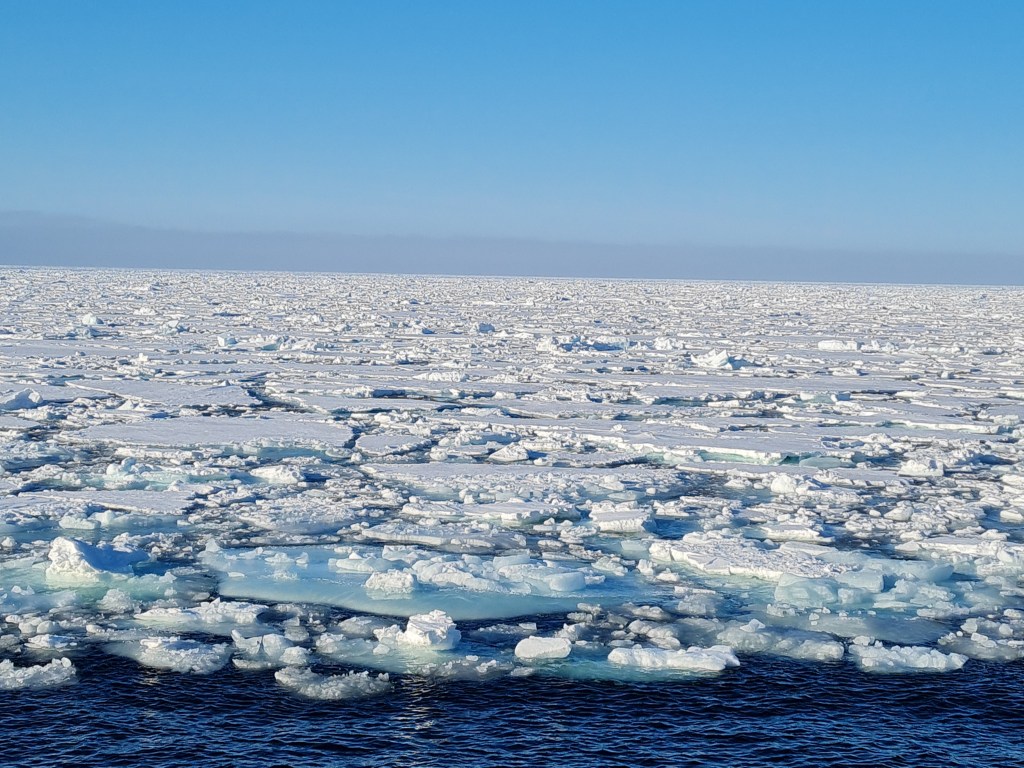
And finally, my most recent piece. Svalbard is a place of ghosts and solitude. It’s in the air, the light, the extremes of night and day, the other-worldliness. I’ve tried to capture that in the haunting stillness of this painting of Borebukta Bay, wrapped in weather, full of breaking sea ice.
Haunted Shore, pastel on card, 50 x 70cm
I’ve enjoyed painting these so much. My next challenge will be to edit down my longlist of potential next paintings.
I’ve previously written about traveling in Svalbard in the High Arctic – an archipelago about halfway between the Northern coast of Norway and the North Pole. You can read about my trip here https://juliewilsonart.com/blog/ at “Arctic Dreaming”.
I had wanted to visit the Arctic for a long time drawn by childhood adventure books and tales of derring-do, fascinated by its extremity, its isolation, its utter beauty and (if I’m honest) by this BBC wildlife footage by Gordon Buchanan which has to be the most riveting 5 minutes of television I’ve ever seen https://youtu.be/9G1aHkLHQ2I?si=9v5n-f-eyJB4QHst.
But I also travelled with purpose:
I wanted to see; I wanted to learn; I wanted to be amazed; I wanted to be inspired; and I wanted to paint. Svalbard did not disappoint.
Since I returned I’ve not yet had a chance to fully focus on painting the Arctic. There have been other commitments and commissions as well as other distractions that have kept me away from getting stuck in - sometimes life just happens and painting has to take a back seat.
But the memory of the epic Arctic landscapes is imprinted on the inside of my eyelids and I’ve been obsessing over the images and photographs that I took there.
Slowly I’ve started to build my collection of paintings.
It started with an experiment in a more abstracted approach to painting. Using one of my Arctic reference photos I took part in a workshop which helped me to lose detail and produce a looser painting. The finished painting “High Arctic” is below, but you can read about that process in my blog post “Relearning How to Paint: High Arctic”.
I love the finished piece which is loose and evocative.
But I wanted to try to evoke how I felt standing on the deck of my expedition ship staring at the haunting coastline as it slowly materialised through fog and rain and snow fronts. I spent one weekend this summer working on this pair of paintings:
All three paintings featured in a small works exhibition at North Down Museum in Bangor, Northern Ireland earlier this year.
I love these little paintings. For me they capture a mood and atmosphere as well as recreating the physical chill.
But what I loved most about the Arctic was its scale – this is beauty – cold, harsh, ethereal beauty, but on a truly epic scale. And when I dreamt of painting the Arctic it was always on a grand scale. So in the autumn I finally started to paint the paintings I’ve been dreaming about with this large painting of the Lilliehöökbreen glacier.
This painting was the most exciting and challenging painting I’ve ever done. Not going to lie, I’m a little bit in love with it. But there were moments when i was lost in the fissures of the glacier and wondered if I’d ever find my way through. You can watch some hyperlapse of my process here:
how “Lilliehookbreen” came together…
It IS my all time favourite painting – I hope you enjoy it.
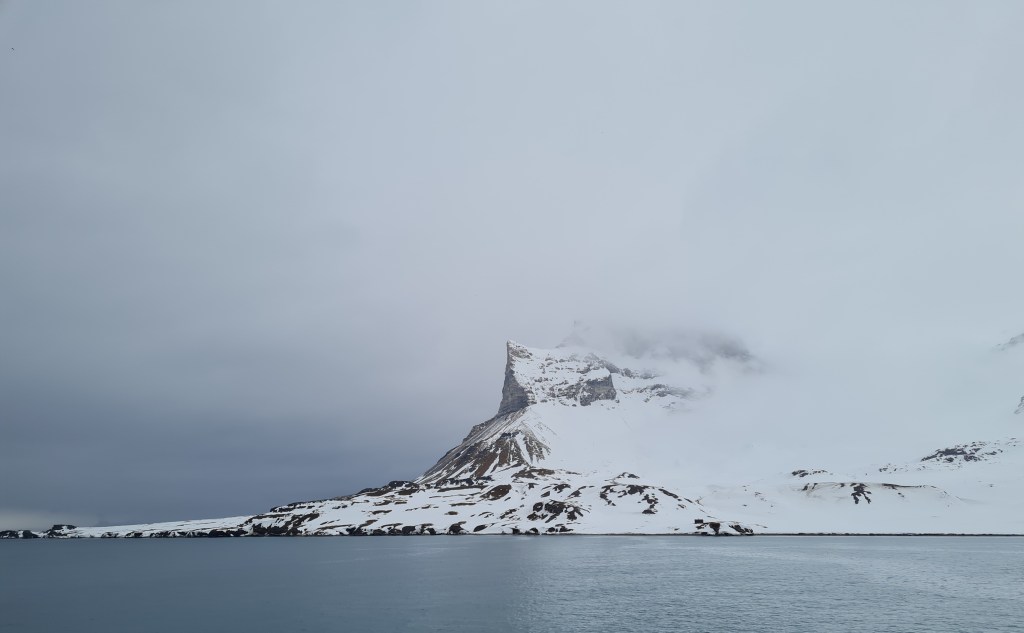
I experienced Svalbard at the height of the polar day, so the sun never set on my Arctic experience. I spent a much time as possible huddled up, standing on the deck of the ship, just looking.
But occasionally I did retire to what was the smallest cabin in the world. I have very fond memories of that cabin – every movement choreographed to get around it, and the best view in the world just on the other side of the porthole.
Sea travel is really the only way to access the far North of Svalbard and I wanted to pay tribute to the expedition ship that opened up new worlds for me, and to our room-with-a-view-teeny-tiny-no-frills cabin in my painting “Nordstjernen”.
There’s so much more to tell and so much more to paint and I fully intend both to tell it and to paint it. I’m hoping to really focus on developing this collection of Arctic paintings during 2024.
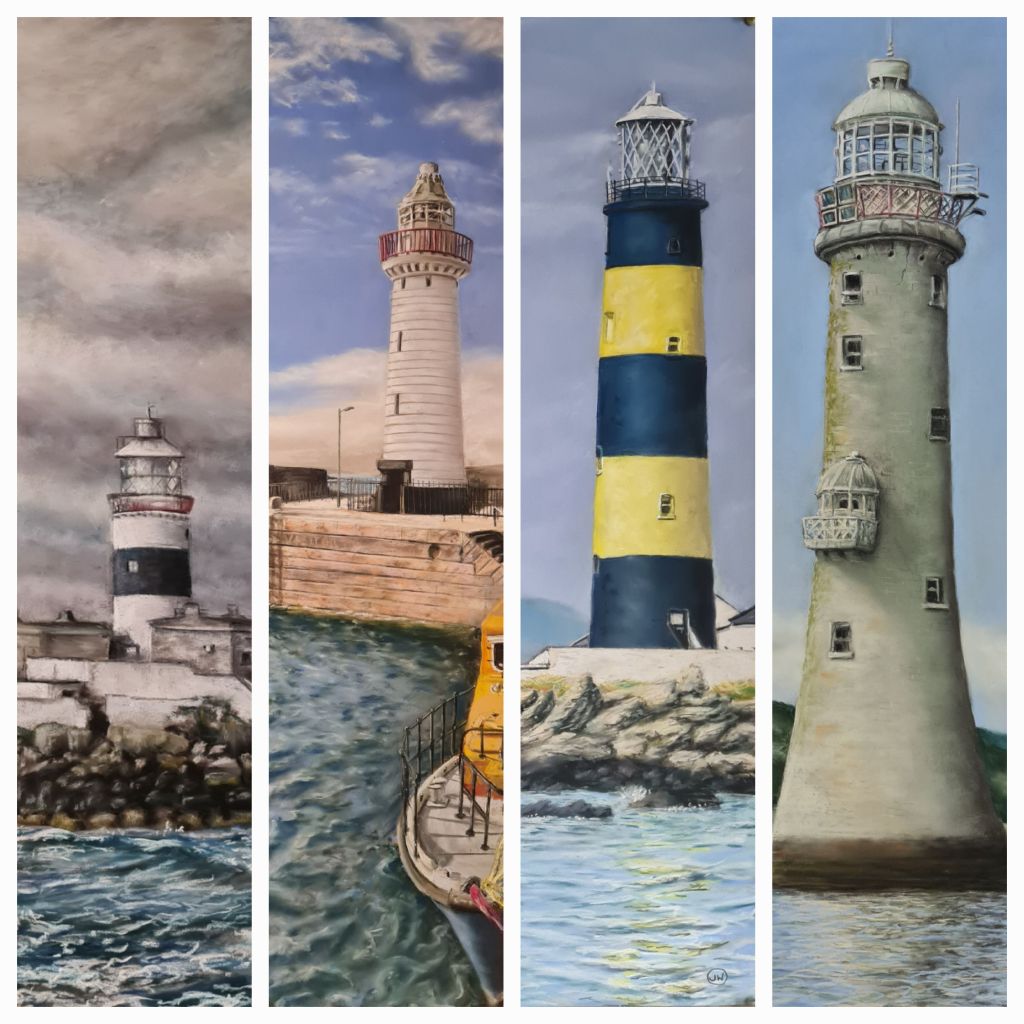
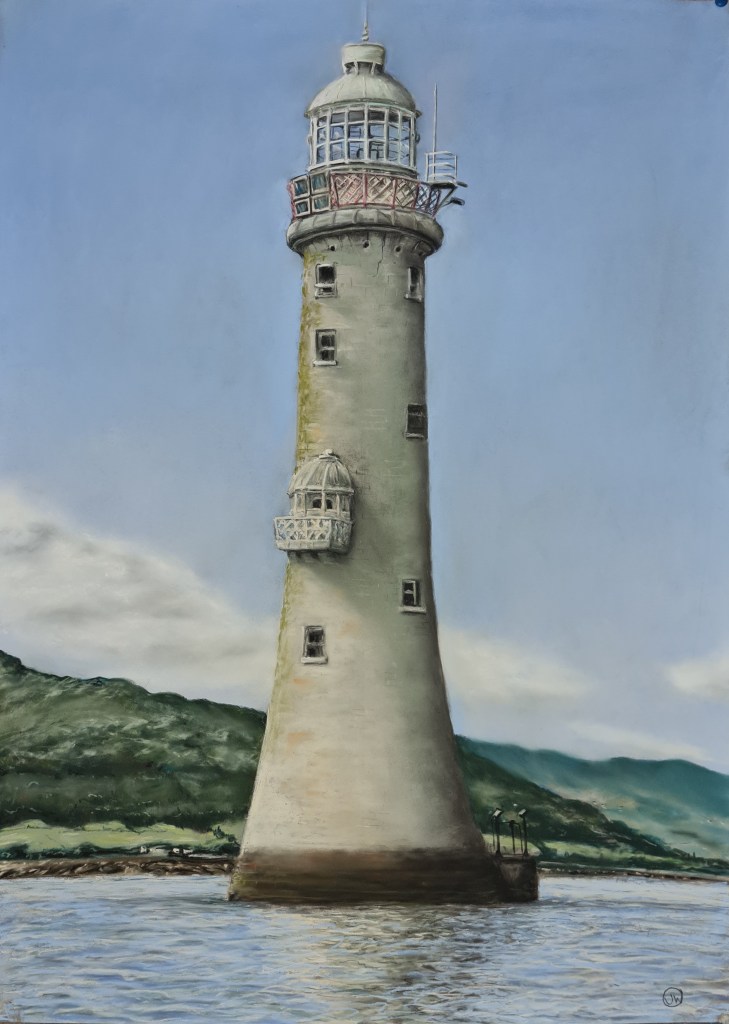
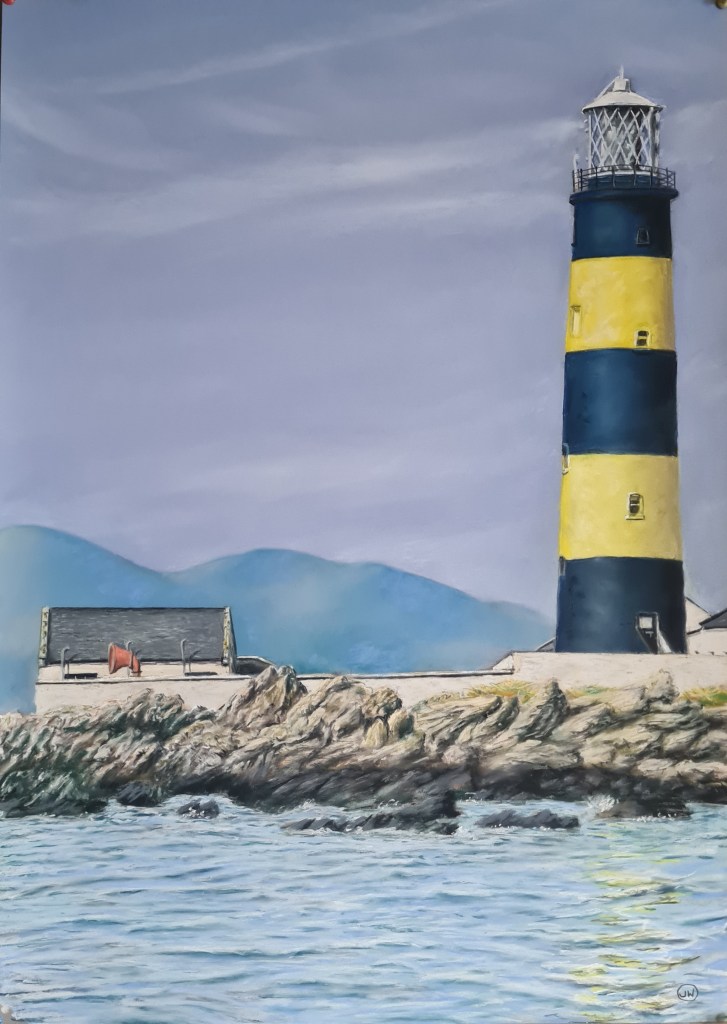
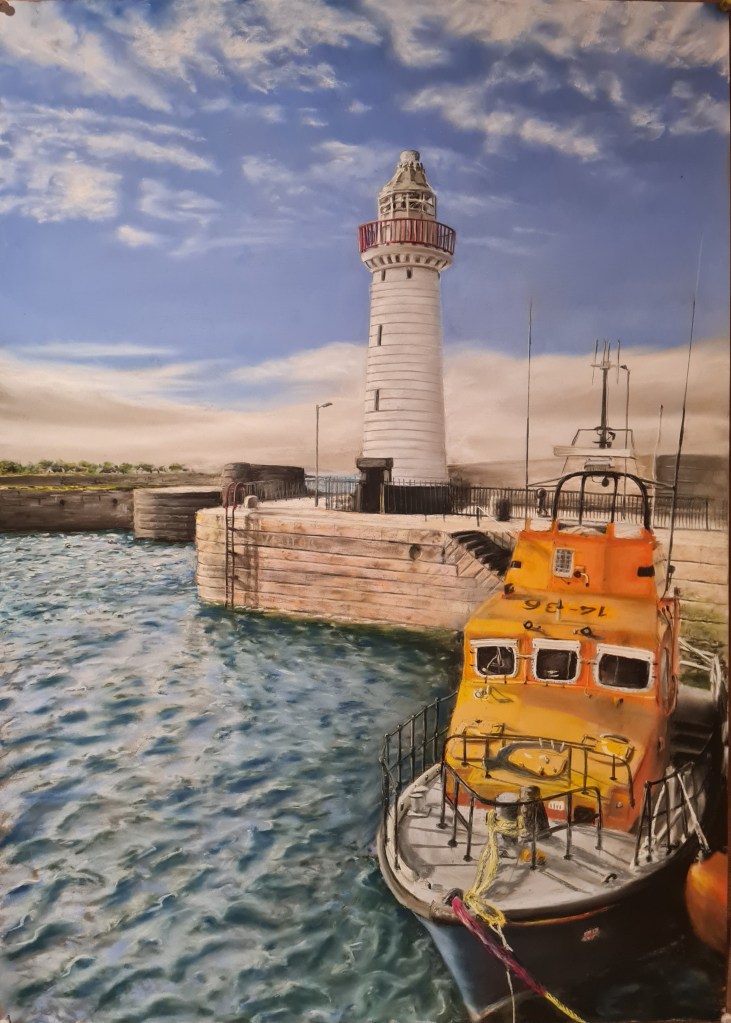
For the past year in between other projects I’ve been working on a series of paintings of lighthouses in Northern Ireland. I finished the collection about a month ago and today the final painting has just been framed.
I haven’t seen any 4 of the framed paintings together yet, and i really look forward to that – but I feel a real sense of satisfaction that they’re completed now.
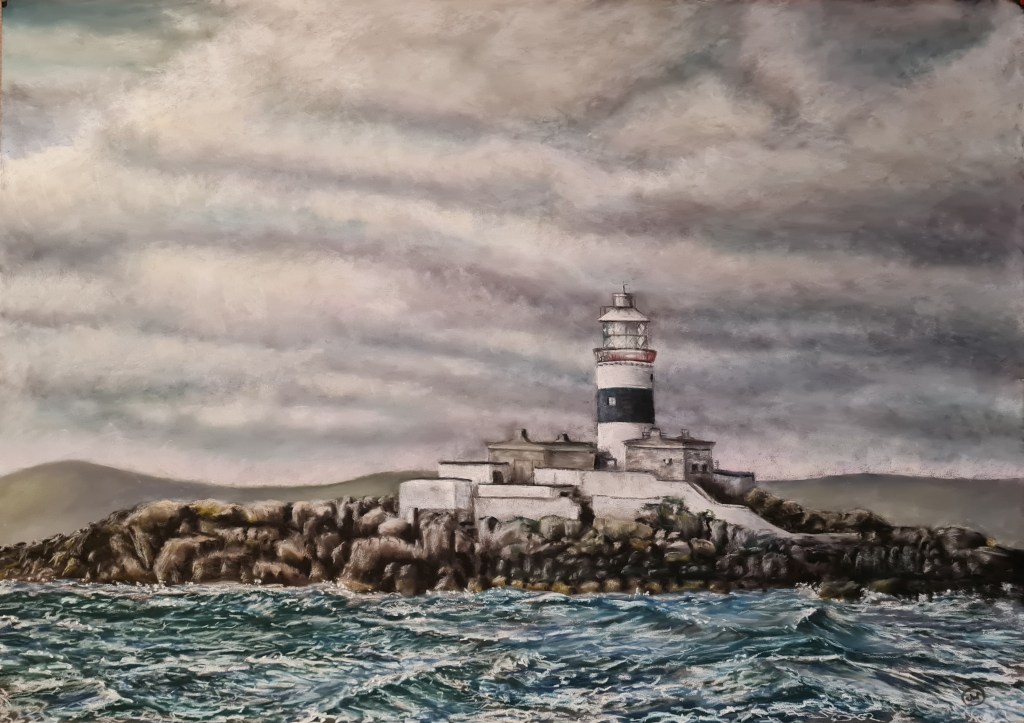
The project has been fun. The first painting was based on a reference photo taken by the client himself, but the other three used my reference photos. Each of the lighthouses has a personal connection to the client who commissioned them (which i love) but on top of that there are stories behind the expeditions we made so we could go photograph them – on one (to the Haulbowline Lighthouse, our engine failing in the middle of a shipping lane in Carlingford Lough and needing to be towed to shore; on another (to St John’s Point), it was us who answered a mayday call and successfully rescued a sea swimmer caught in a current.
East Maidens Lighthouse 100 x 70 cm
As always the paintings are in pastel. They will hang together, one in landscape at 100 x 70cm; the other three in portrait orientation at 50 x 70cm. Eventually I’ll post them all hanging in their new home.
Haulbowline, 50 x 70 cmSt John’s Point, 50 x 70cmDonaghadee, 50 x 70cm
And finally, just because it makes me happy to watch it, here’s some footage of cormorants as we returned from photographing County Down lighthouses. Hope you enjoy…
If you follow my blog or my Instagram account you’ll have seen that I recently visited Svalbard. I’m currently working on a collection of (non-Arctic) lighthouse paintings, but I have high hopes to spend the winter holed up in my attic working on a collection of large paintings of the stunning Svalbard landscape.
But a few weeks ago I was able to take part in an art workshop organised by the Pastel Society of Ireland and led by the wonderful visiting US artist Charles Peer (go look at his work – is wonderful and he’s also such a lovely, fun, funny man).
The workshop was fantastic on so many levels. After years where society has been either locked down or tentatively holding back and self-regulating contact, it was brilliant to connect and physically be in the same space as other artists.
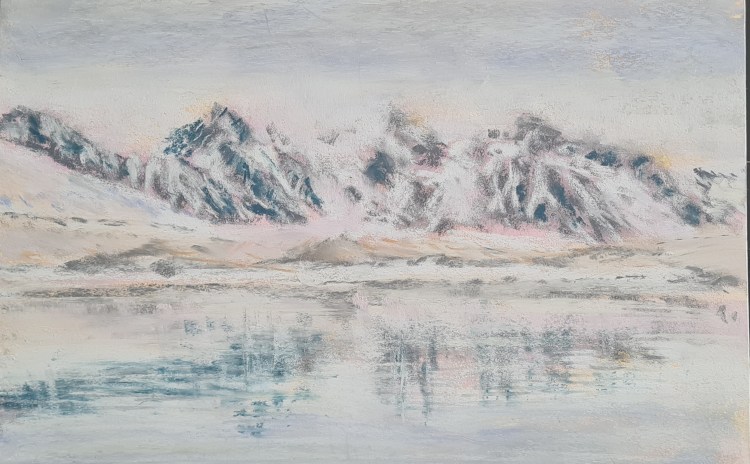
I was nervous; and I did not find this an easy workshop. It forced me out of my comfort zone and made me work in new ways. For most of the day my painting looked appalling – but I’m so pleased with the final result which I’ve just got back from the framer.
key lessons:
Planning. We were encouraged to play and plan with composition; to write down what attracted us to the image we wanted to paint; what was the *star* of the painting – and then to use that as the touchstone for all our decisions.
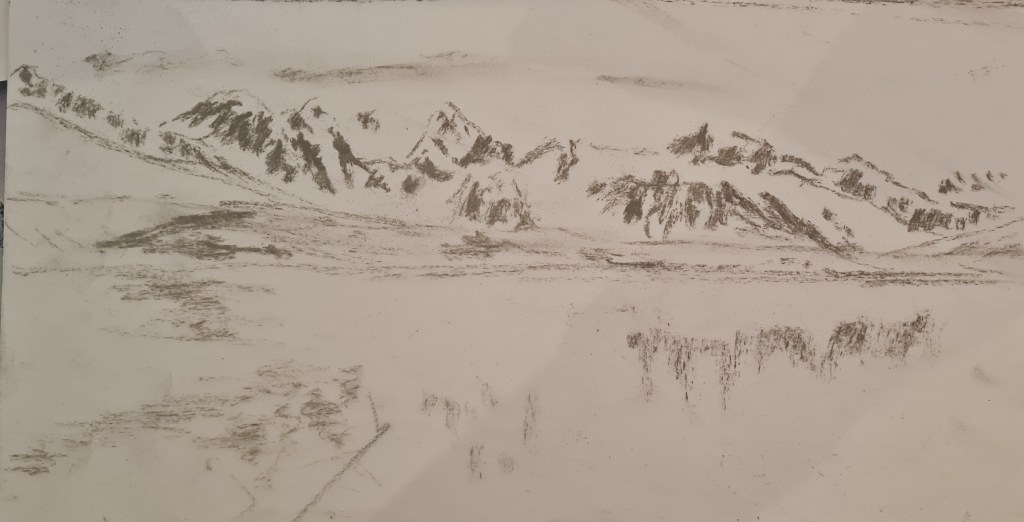
Pencil sketch for composition and values
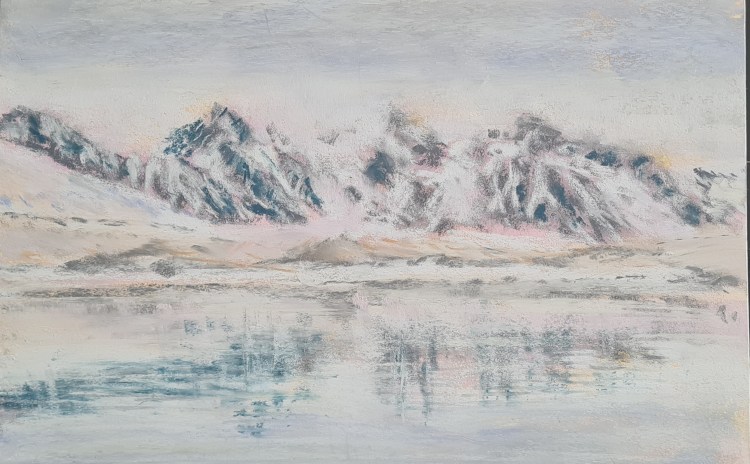
2. Editing. I struggle to paint loosely. Always have done and probably always will. I blend where i know i should layer. The workshop and the medium we were given forced me to work in a different way and I loved the result. We used Lux Archival paper which is more sanded than my usual ‘go-to’ pastelmat and, combined with the small scale of my painting and the very limited palette i used these forced me to pare back in a sparse and spartan style which I think really suits the landscape of the Arctic.
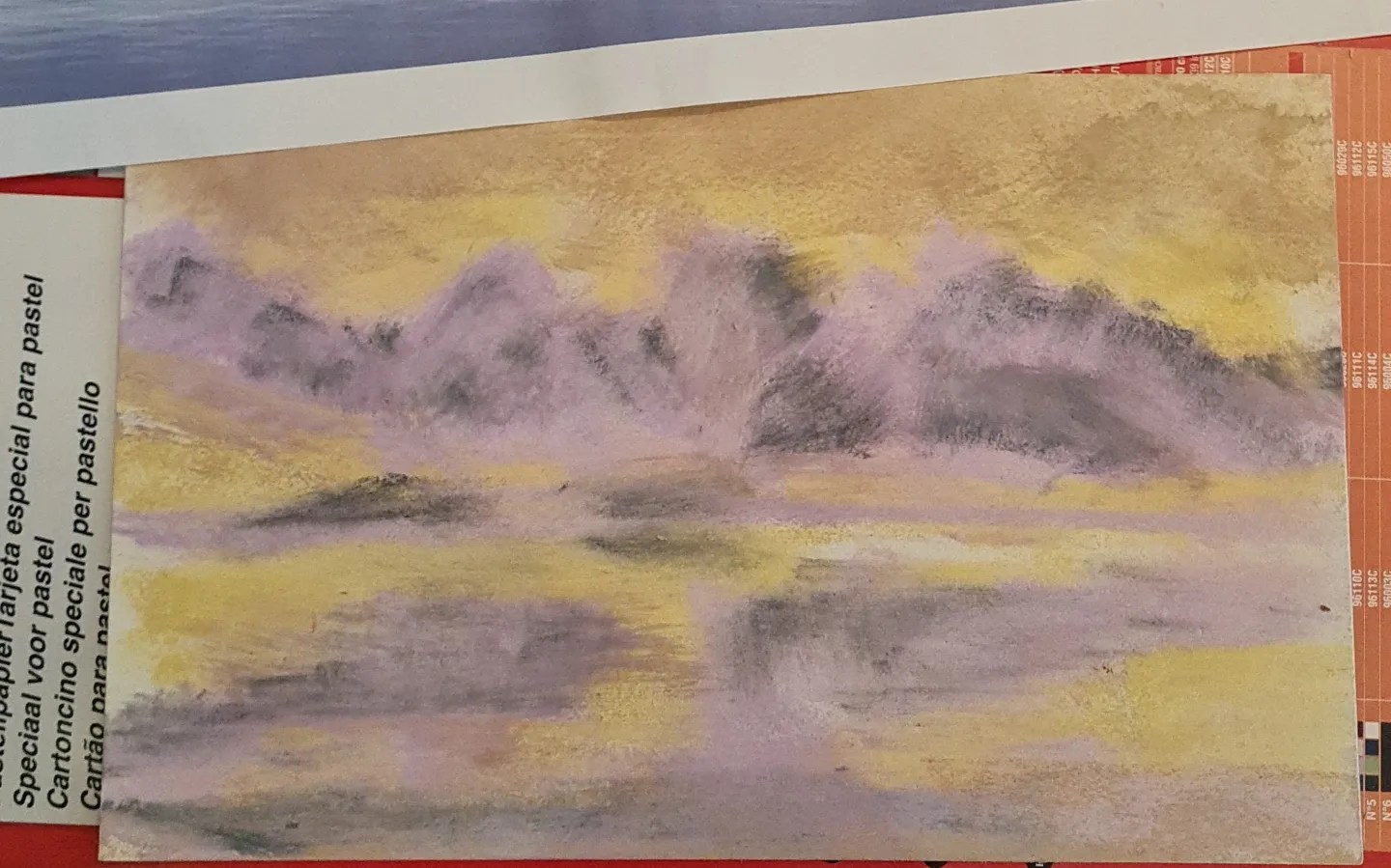
3. Underpainting. Now this was scary for me. Especially since I had in my head the pure blues and grays and whites that I had seen on my trip. I opted for apricots, pinks and pale lilacs and I’m really pleased with the outcome. I’ve since opted to use contrasting underpaintings in other paintings, although I think it’s a technique I’ll dip into when I choose to, rather than something I’ll apply consistently. See below – what Charles called ‘the ugly stage’ of painting…. at this stage I did despair of pulling it back to where I wanted it to be…
Underpainting- the ugly phase
4. Alcohol. We also played around with alcohol washes which you can see in the underpainting above. I think i definitely need more practice with that technique!
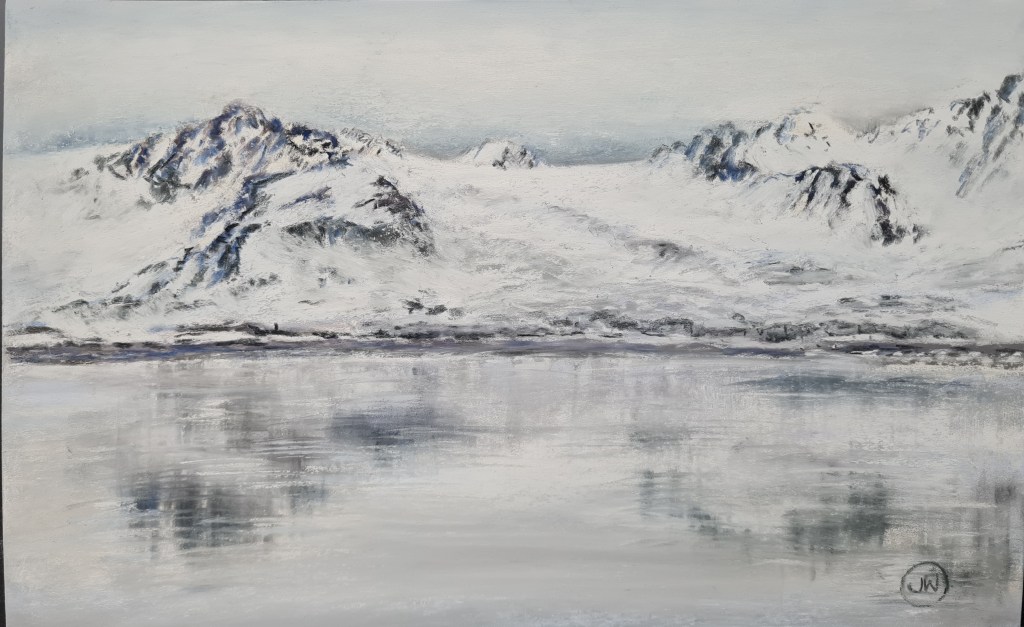
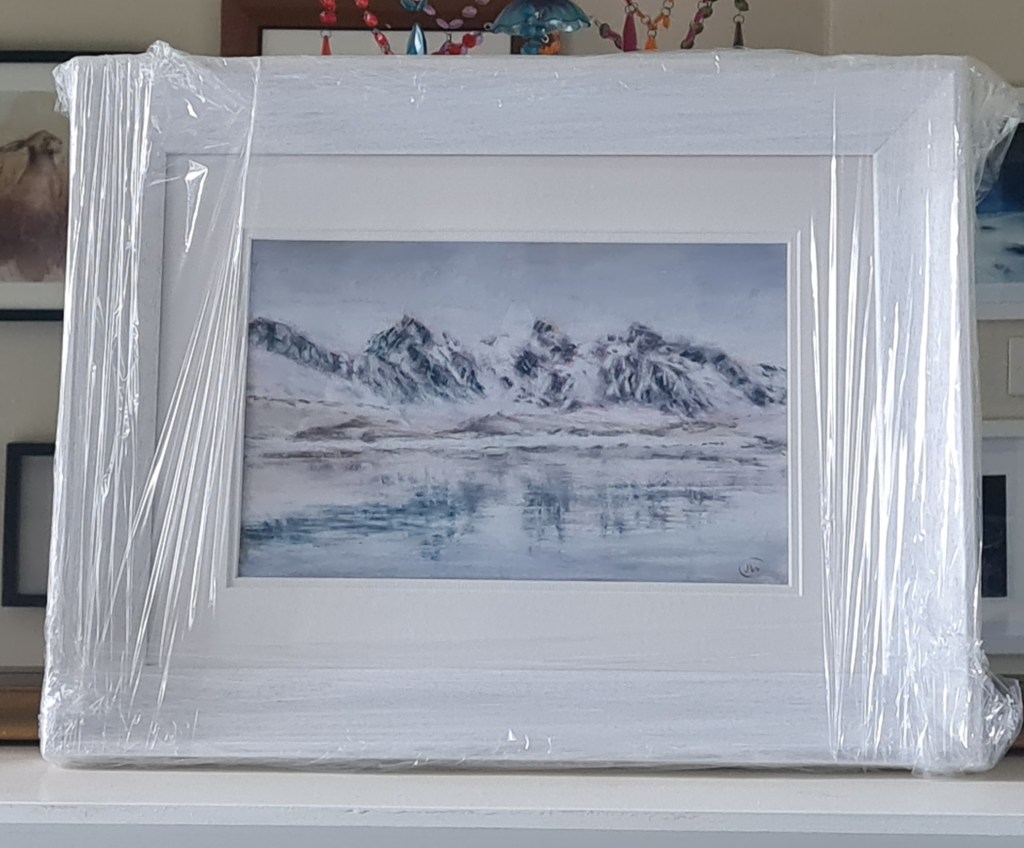
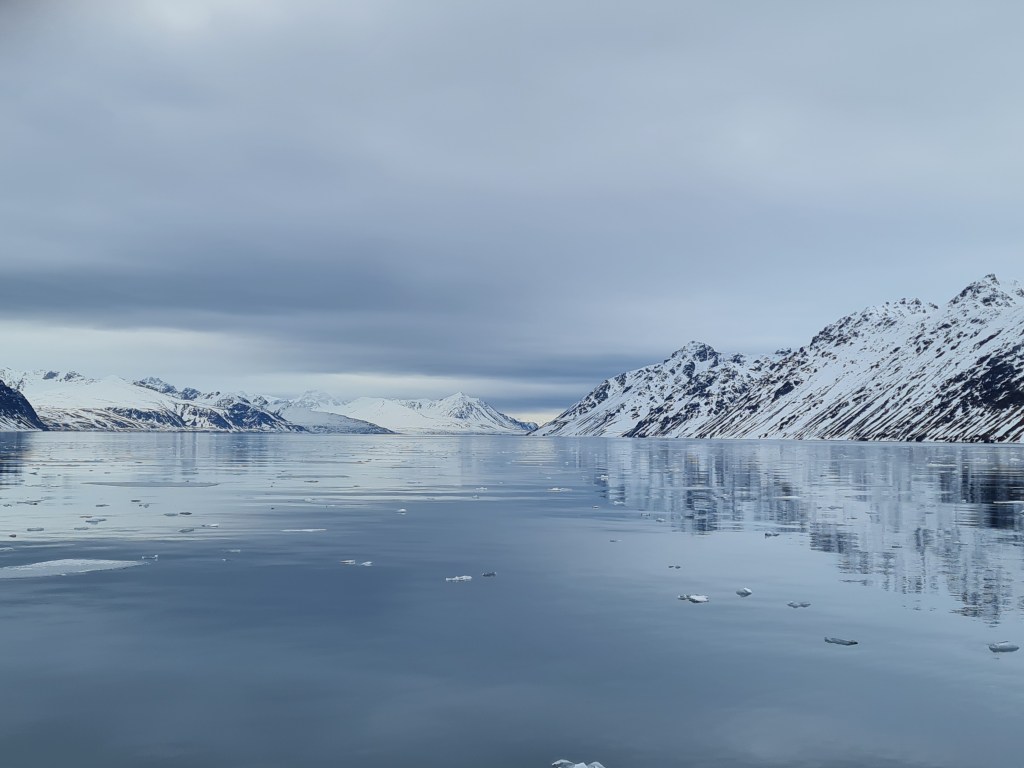
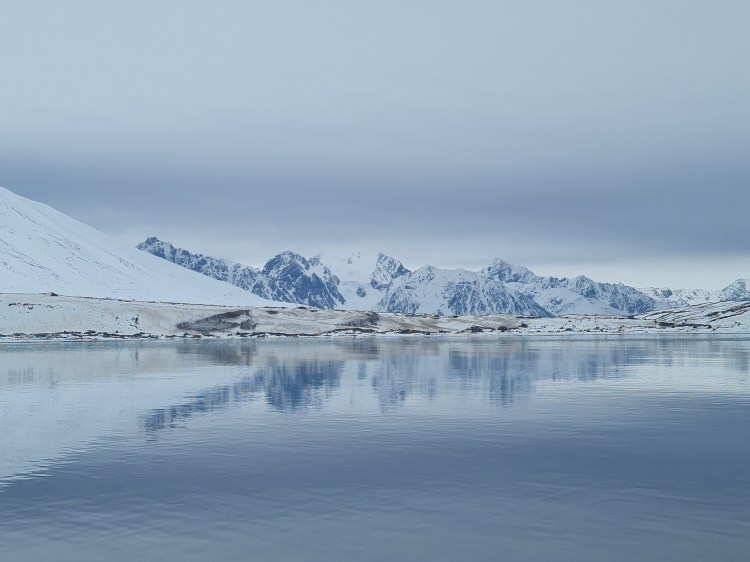
5. Impact. I guess this relates to composition and detail. But boils down to the fact that most paintings are first seen from across a (crowded) room…. in order to be able to draw the viewer closer the painting needs to have visual impact from a distance. I hope that’s what I managed with my little study of the Lilliehammer fjord in Svalbard.
I DO still want to paint this on a grand epic scale, but I’m also really happy with its sparseness and how it all manages to haunt, and to draw me in, on this small scale.
Here’s the final painting, framed (still in its wrapping).
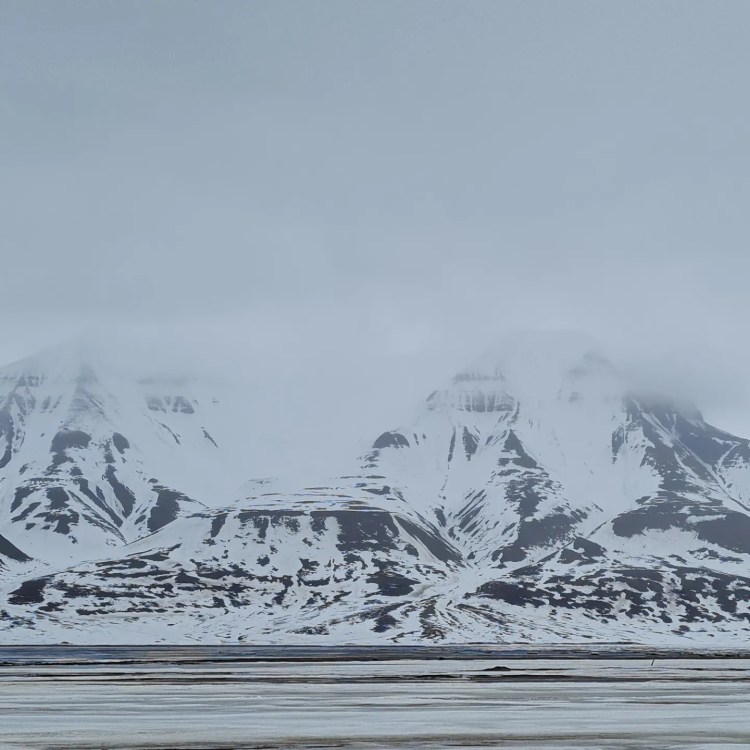
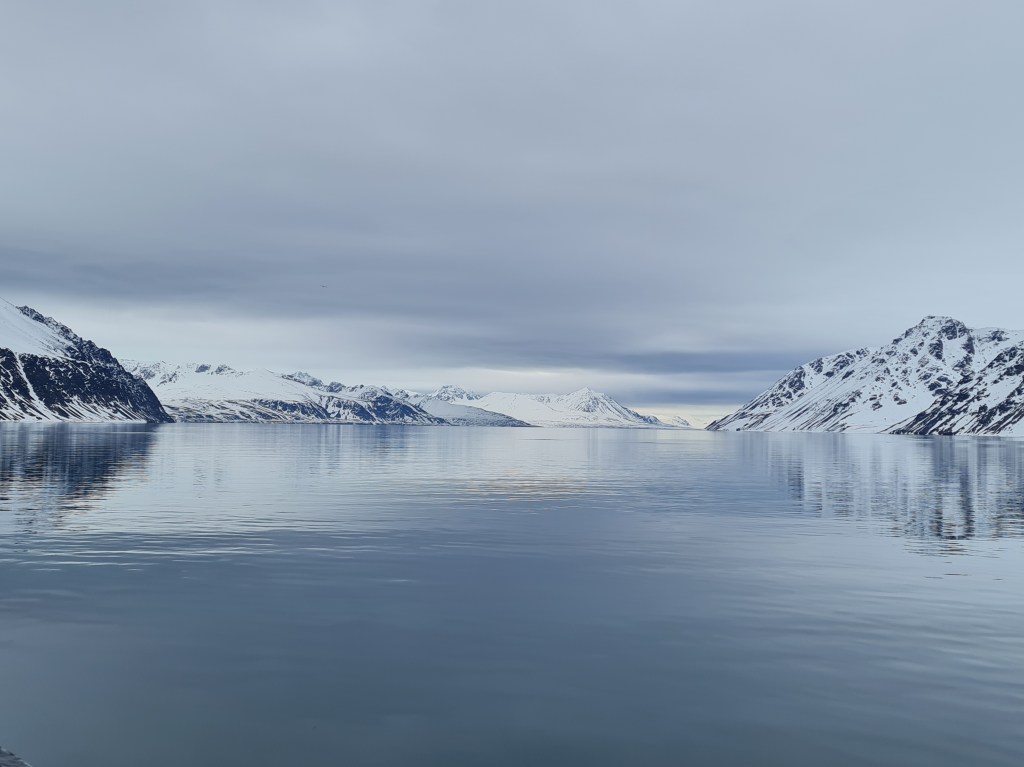
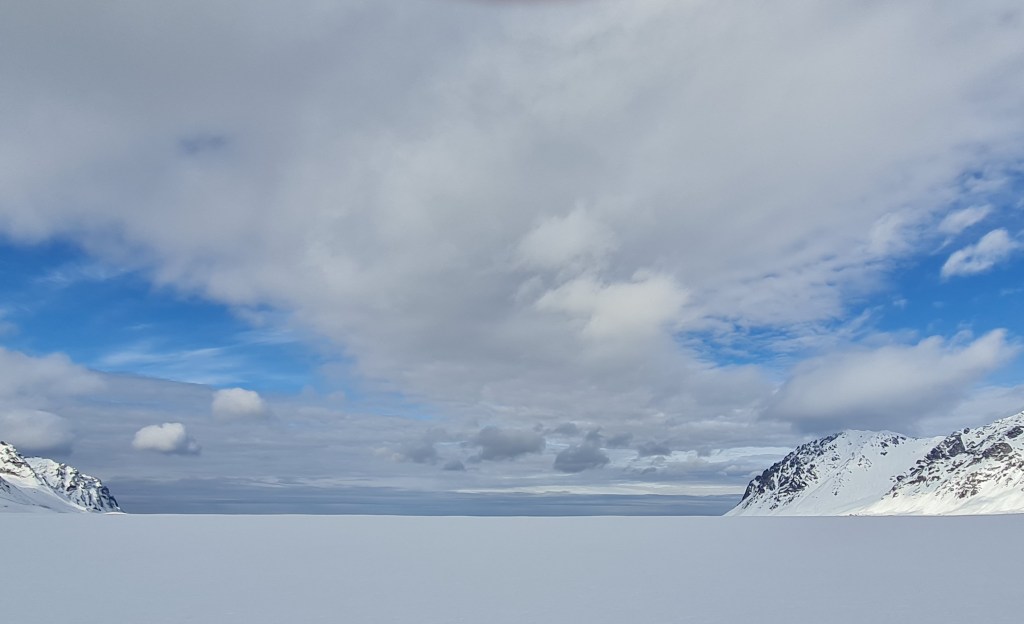
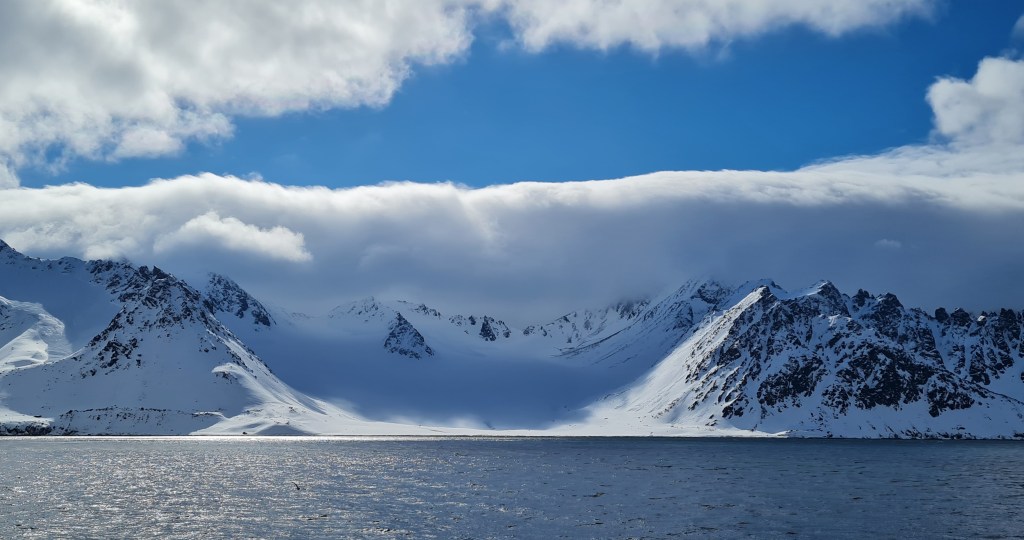
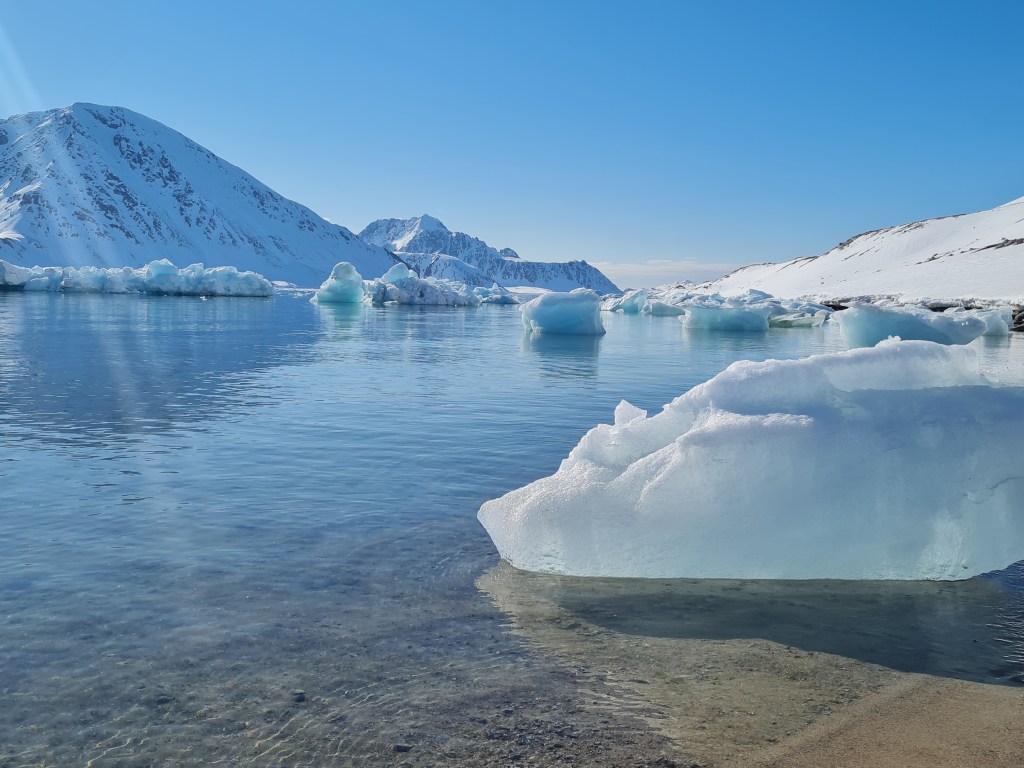
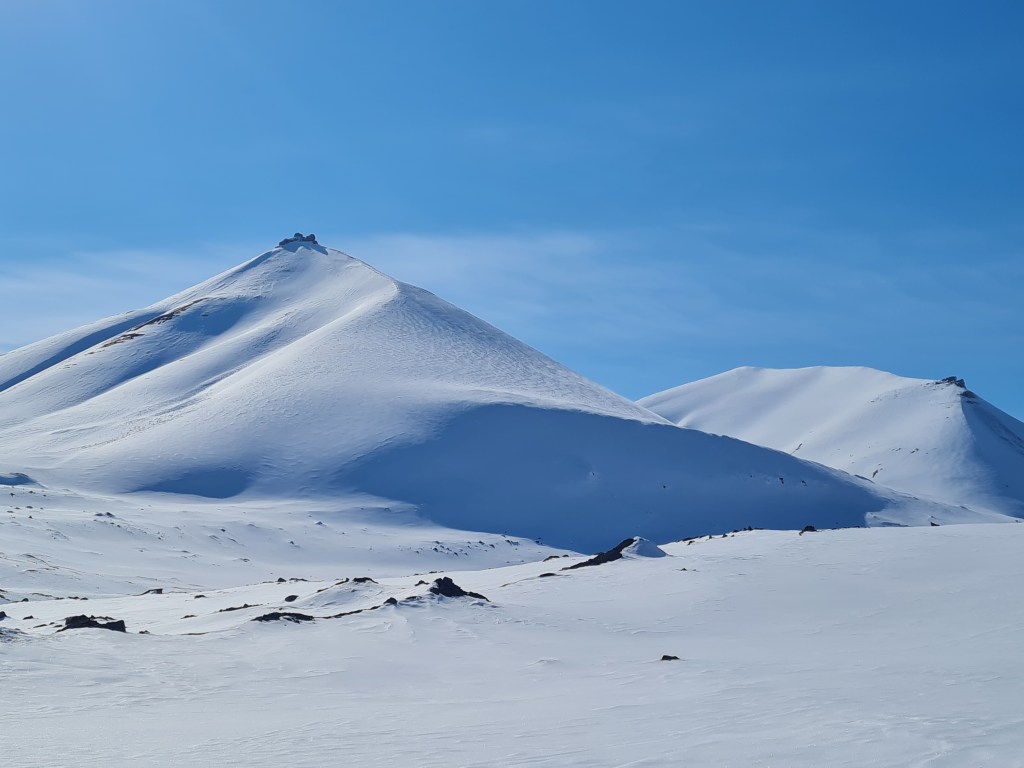
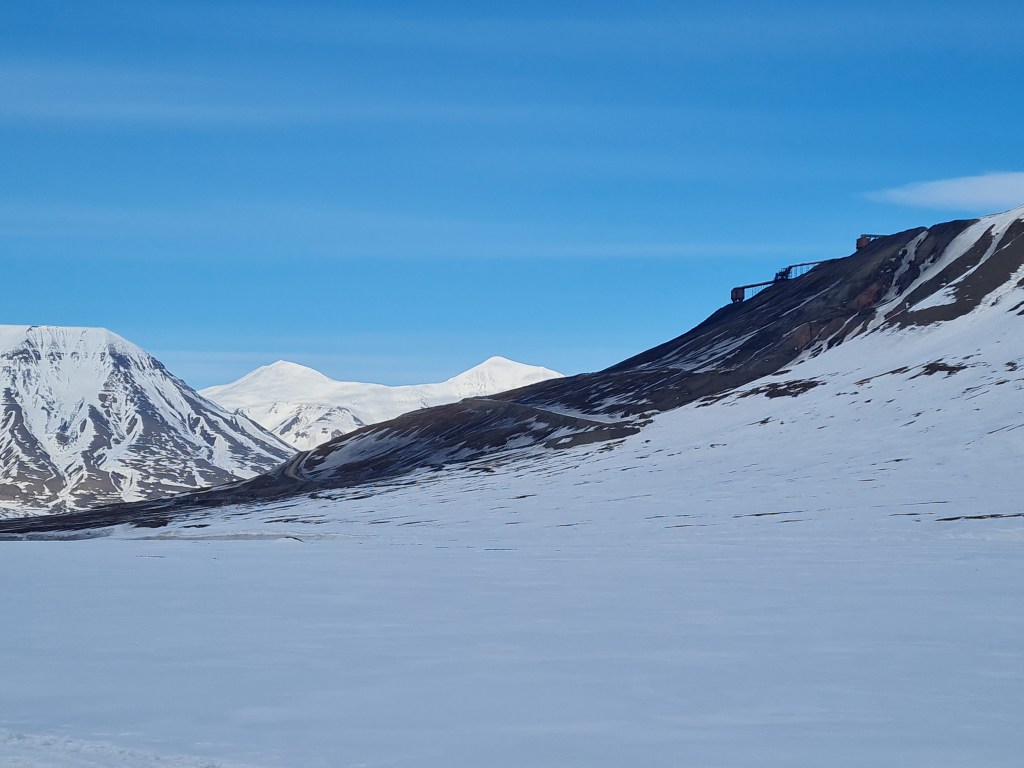
In May this year I finally got to fulfil a long-held dream and visited Svalbard at the top of the world.
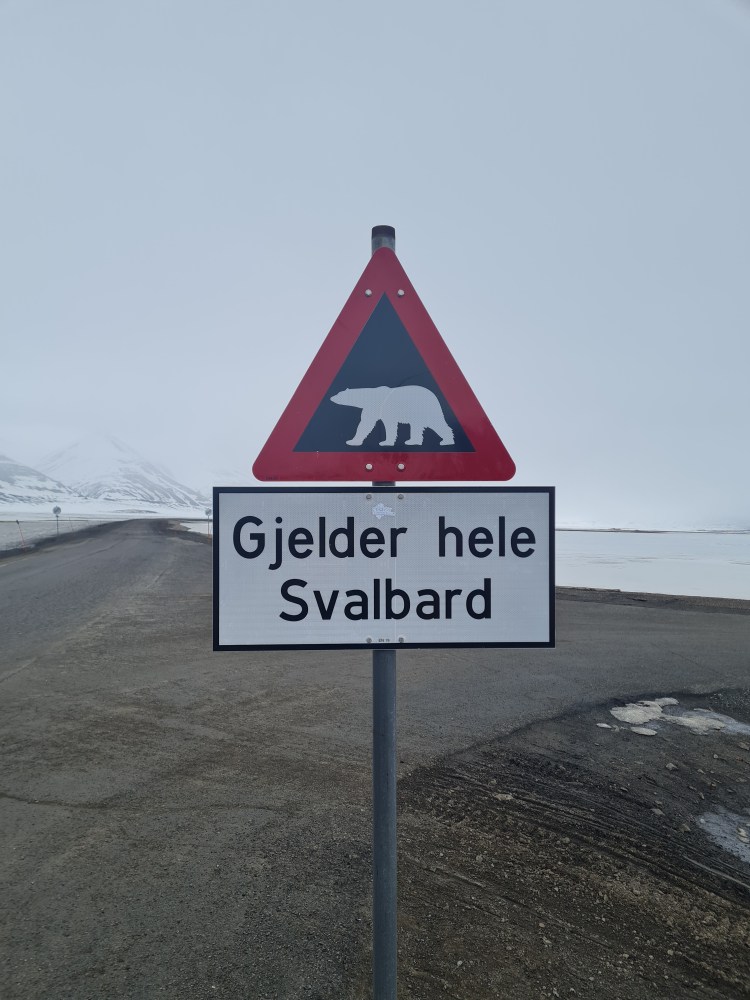
For those of you who aren’t familiar with it, Svalbard is an archipelago in the High Arctic, about 400 miles North of Norway, half-way to the North Pole.
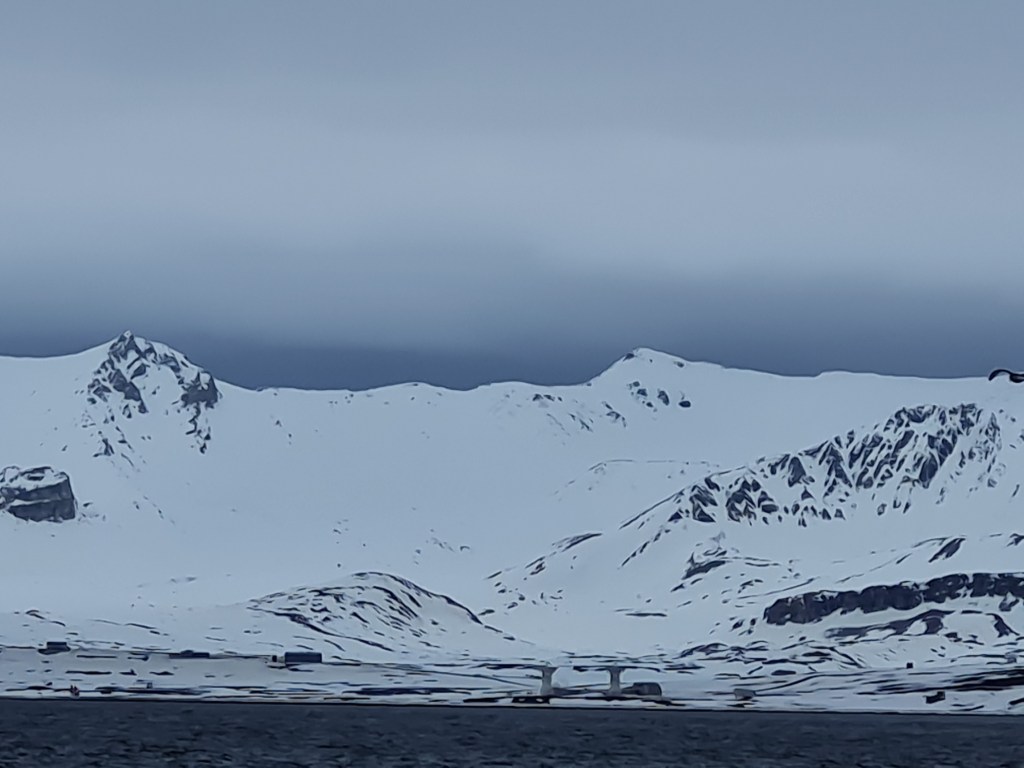
The whole archipelago covers an area just slightly smaller than the UK I think but (aside from a few ghost towns and research stations) it has only a few small populated towns and less than 50km of road.
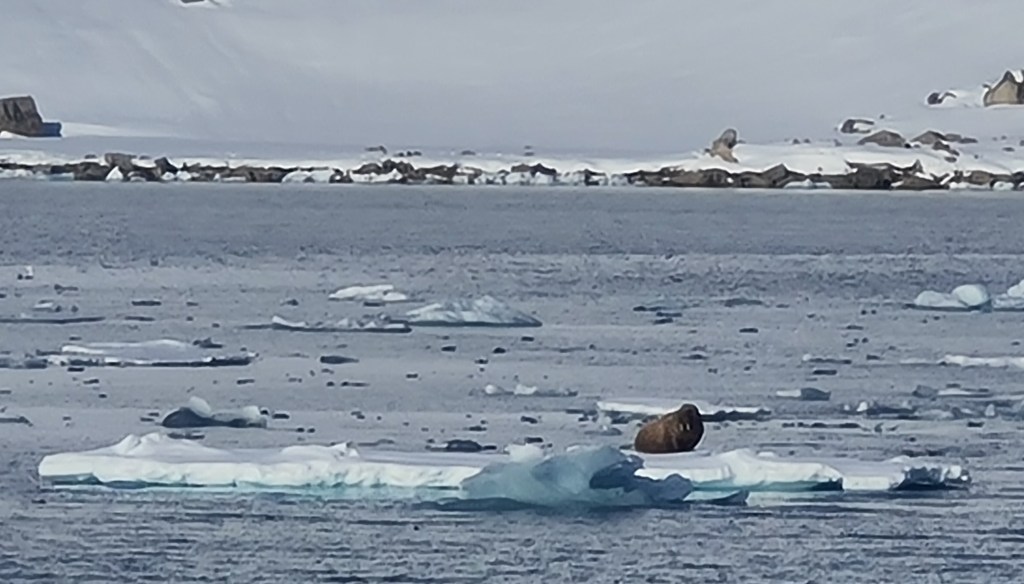
It’s a vast frozen wilderness. Human population (of whom I met a few) – 2400; polar bear population (of whom I met none) – 3000.
I can totally see that sub-zero temperatures are not everyone’s cup of tea when it comes to your average summer holiday; and I’m not entirely sure why I’ve felt such a strong pull towards magnetic North and the Arctic (although certainly David Attenborough has a lot to answer for and I confess to listening to David Gray’s song “Birds of the High Arctic” over and over on repeat).
Video footage of my trip, to music
Increasingly over the last few years I’ve been obsessed – its harsh environment; its history of adventure and exploration; the haunting myths and tales; the wonder of how life can survive in such a hostile place; the extremes of day and night, summer and winter; and the isolation and ghostly beauty.
It was a dream come true to finally see it with my own eyes and it did not disappoint.
When I arrived, in mid May, already there had been no sunset on Svalbard for about a month; the next sunset fell last month in August; and by November, polar winter will set in; the sun will go down and it won’t rise again till next February. I find it hard to contemplate the effect of such dramatic seasonal shifts but I am wholly capitvated by the lure and magic of this place.
The midnight sun held charge while I was there – and I found it incredibly mesmerising whilst also knocking me completely out of kilter with my body’s natural rhythm so that instead of falling asleep I would stay up, eyes wide open and alert just so I could watch the sun go round.
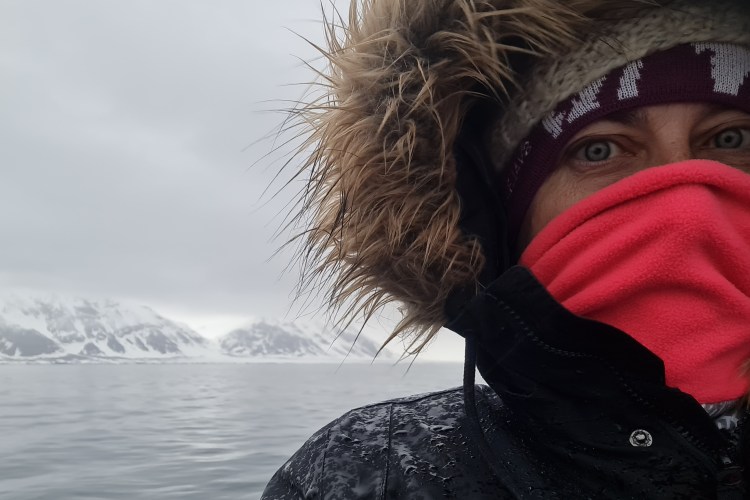
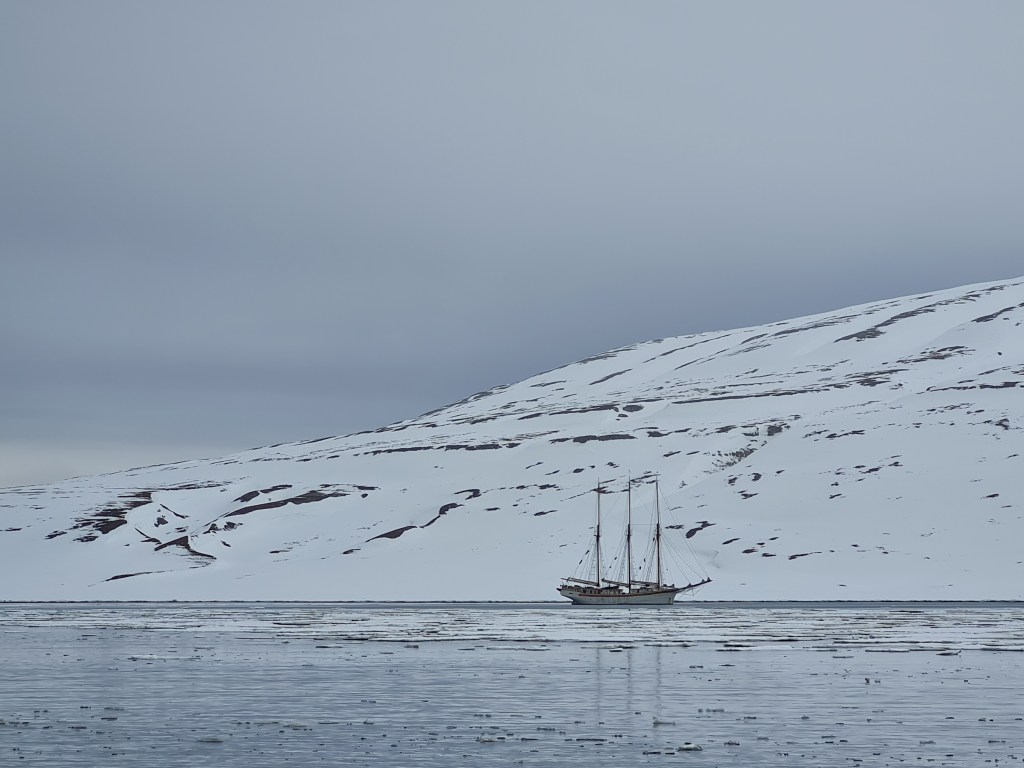
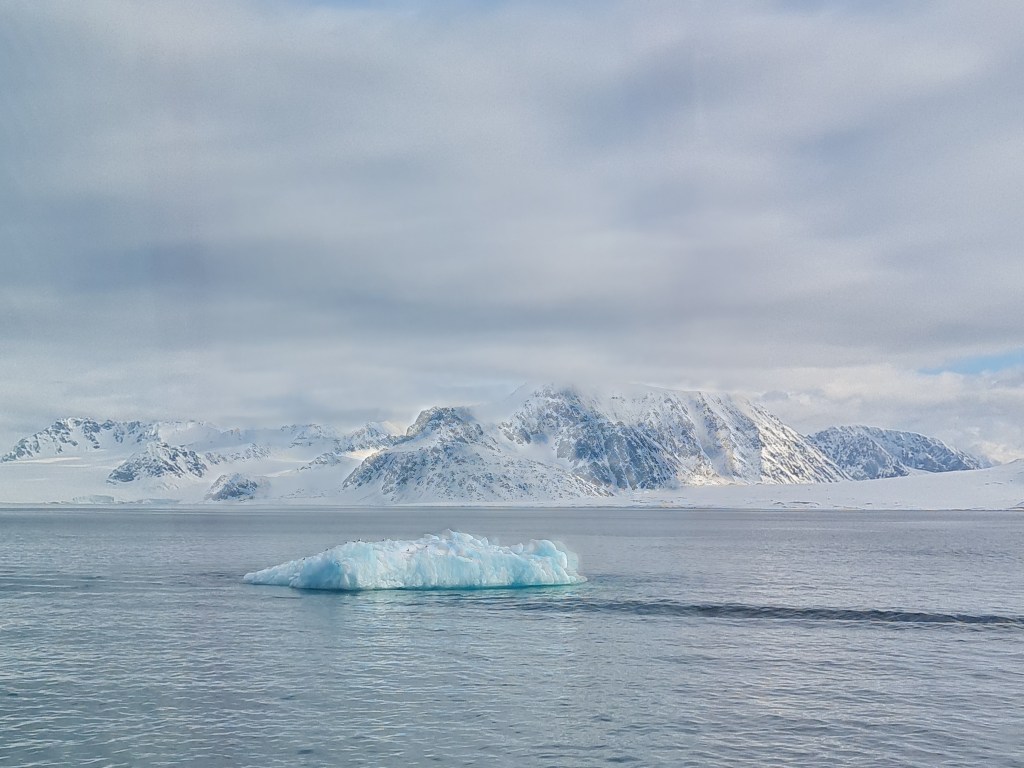
Svalbard was everything I dreamed it would be and more. I took a 3 day trip with Hurtigruten and would stand for hours in bitter cold on the deck of our expedition ship just so I could gaze at the landscape or the ice floes as we sailed past.
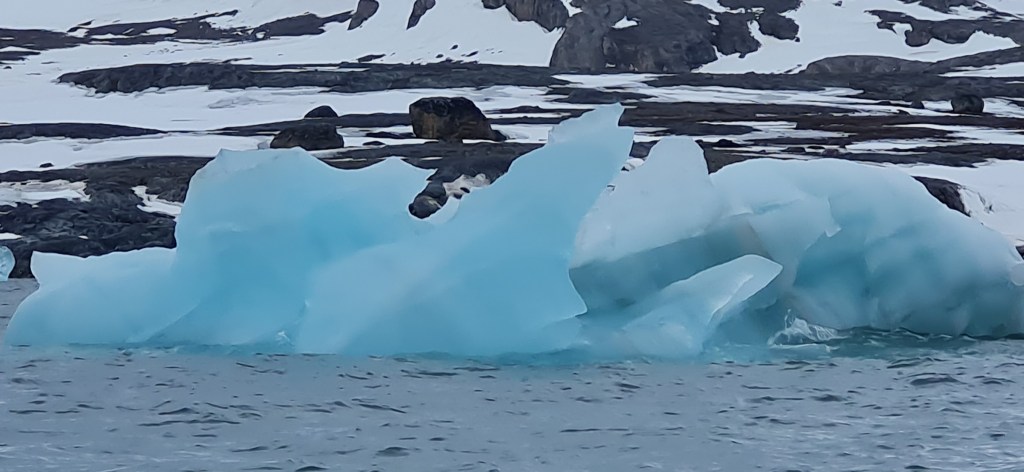
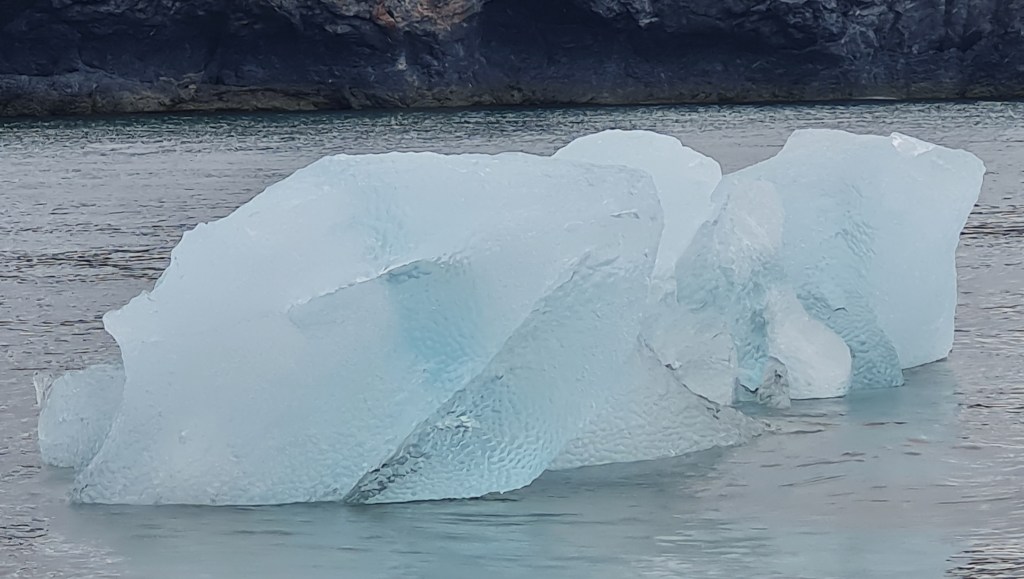
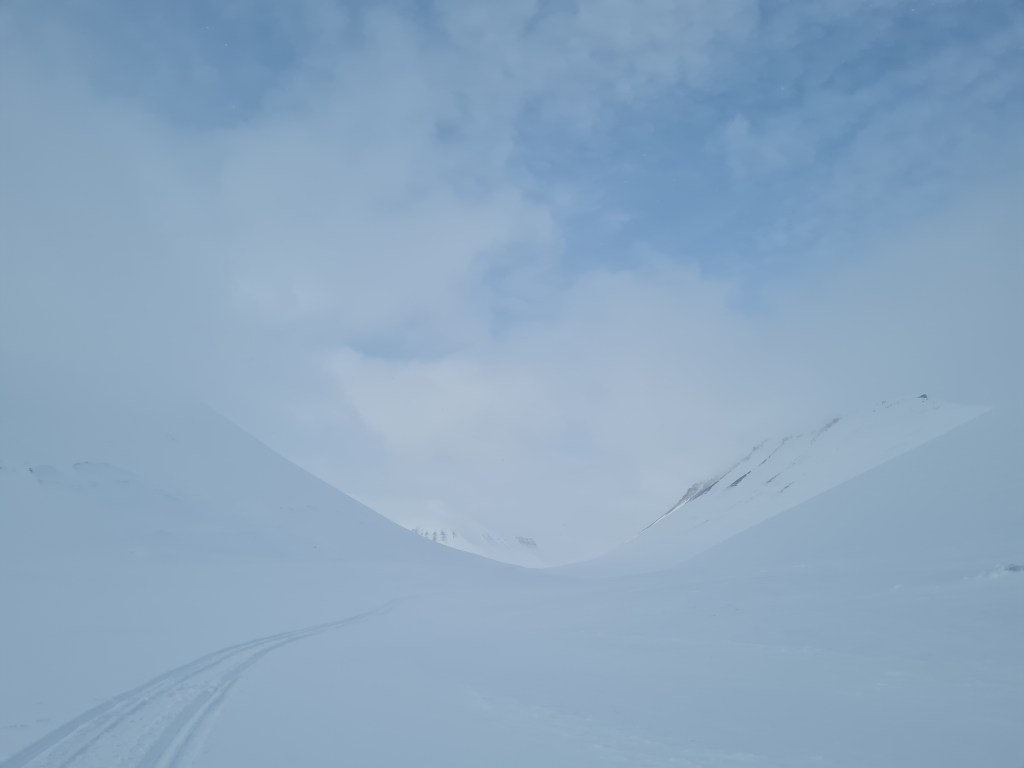
For me, this was the most beautiful place I have ever visited – from dazzling blues and whites to ghostly shades of grey and (on one pretty terrifying snowmobile journey), a total whiteout.
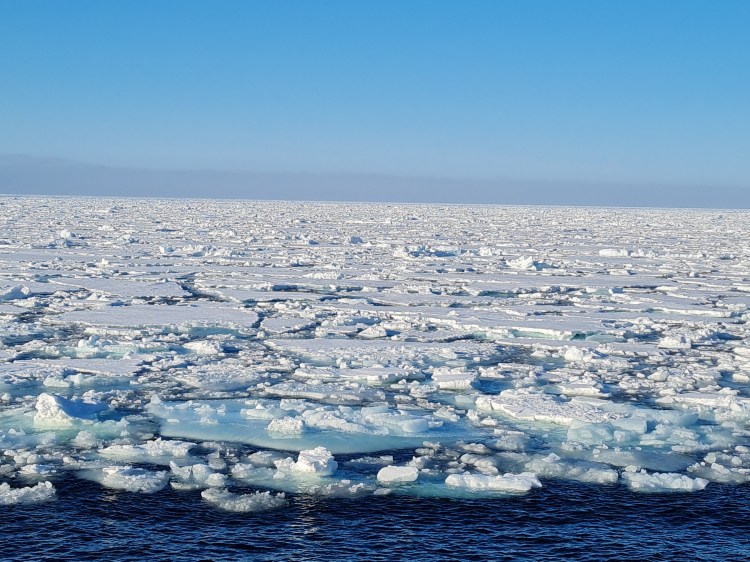
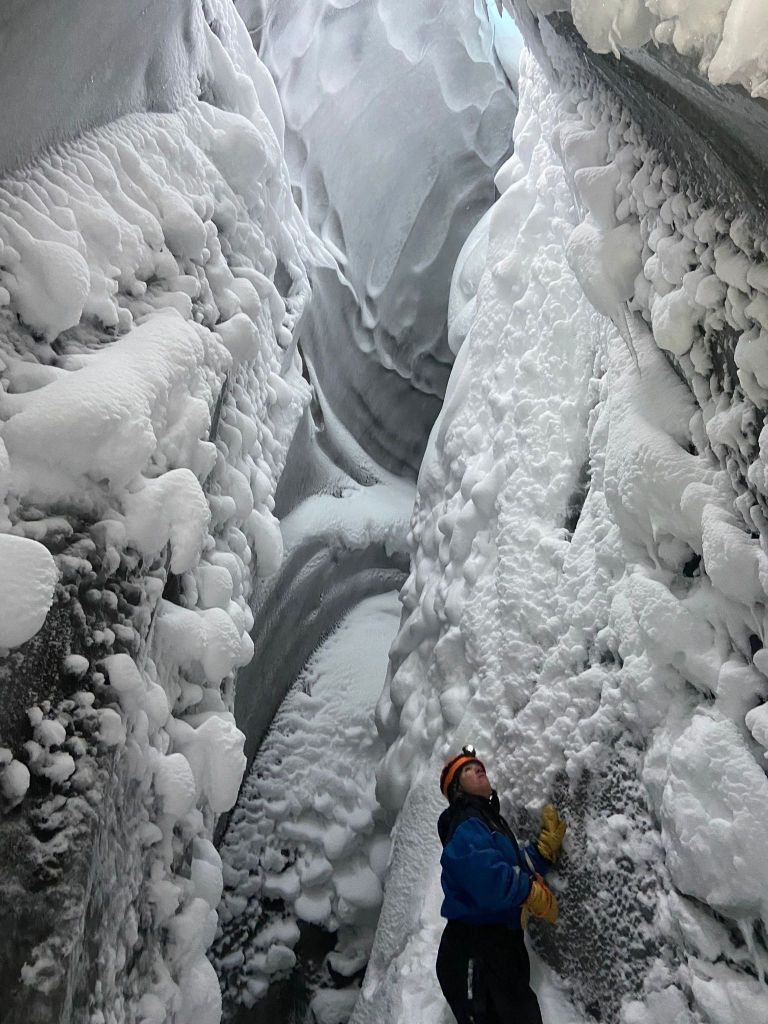
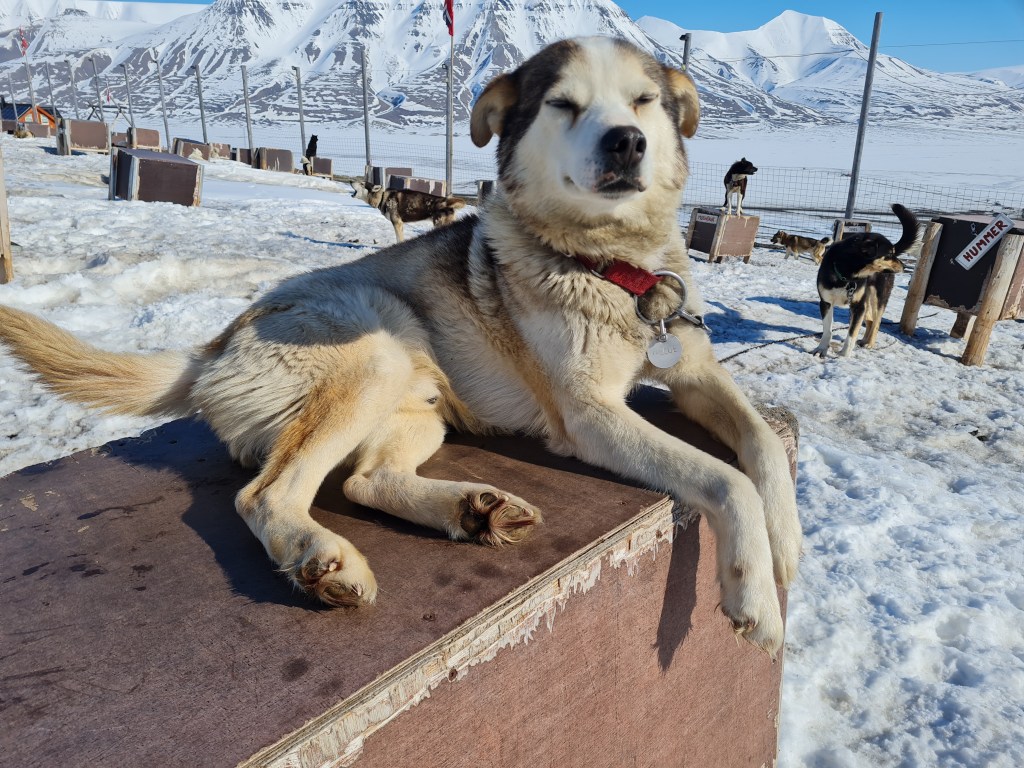
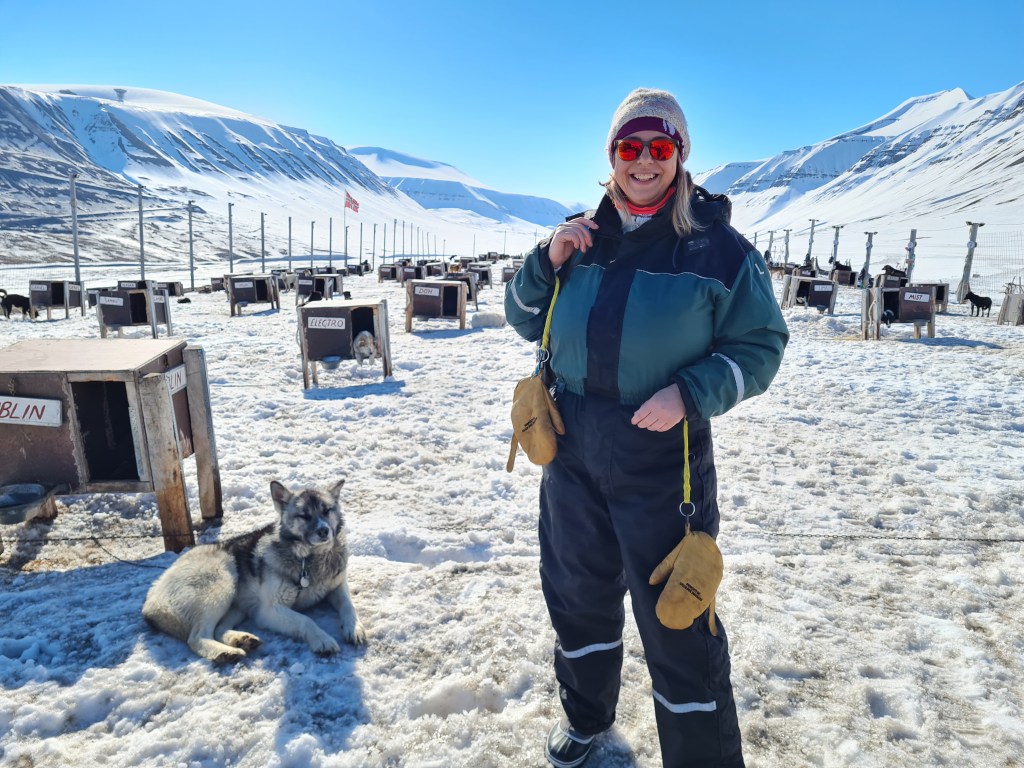
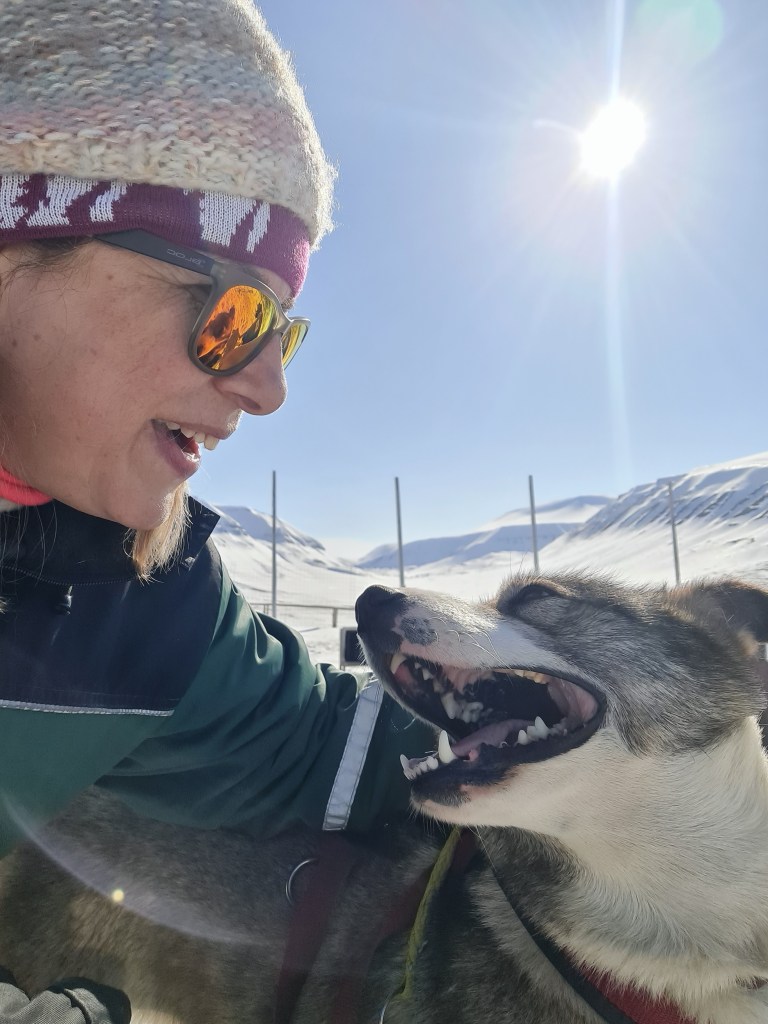
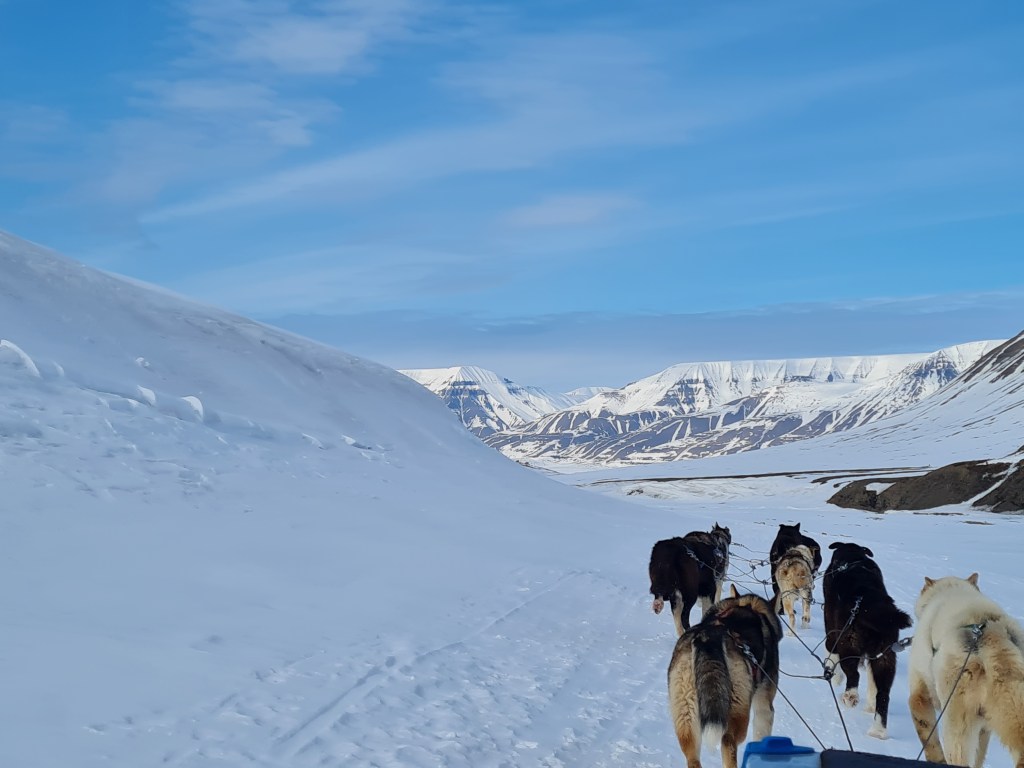
Highlights were: driving a dog-sled of huskies (with the brilliant Green Dog Huskies) across a pristine snowfield; riding the aforementioned snow-mobile-of-terror over melting sea ice and through mountain valleys in virtually no visibility; watching Northern fulmars swooping just inches above mirror-glass seas without ever breaking the surface (these are amazing sea-birds, related to the albatross – they live to be 80 years old and their life-cycle echoes our own); hearing the boom of a calving glacier falling into the sea beside me; and (best of all) sailing to the 80th parallel, to the edge of the sea-ice that surrounds the polar ice cap.
Excited huskies
My fascination with polar regions started to creep into my art a few years ago when I exhibited a couple of paintings of (captive) polar bears swimming underwater.
Large original pastel painting of #polarbear diving into #arctic #sea #polar #animal #winter #ice #tundra #subaqua
Soft pastels on Clairefontaine pastelmat card.
50cm x 70cm Large original pastel painting of #polarbear in #arctic #sea.
50cm x70cm.
Soft pastel on Clairefontaine pastelmat card
To be clear, I’ve no desire to get close enough to a bear in the wild to be able to paint him en plein air. But I’ve wanted to visit, to experience Arctic light; to see for myself the wild landscape and to be inspired to paint a series of paintings for exhibitions in the coming year. In reality I saw so many amazing and beautiful scenes that the challenge will be to select the images that move and inspire me most – though that’s a pretty pleasant problem to have.
Since my return I’ve not been able to clear the time to truly start into trying to capture this amazing place in pastel. I’ve only been able to complete this very quick, small 25x20cm sketch of Lilliehöök Fjord but I’m really looking forward to trying to do justice to this epic landscape with some large scale paintings.
I know that I am incredibly privileged and lucky to have been able to go and see all that I did. But the experience has also inspired and challenged me. Svalbard is a temperature gauge for the health of the world we live in and it feels the impact of climate change more keenly than the rest of us. Whilst Svalbard is classed as a desert, temperatures and precipitation there are both rising, causing glaciers to melt and retreat and the icecap to shrink.
On board our ship I met Hilde Falun Strom, a Norwegian woman who in 2015 survived an avalanche in Longyearbyen (the largest town in Svalbard) which swept away twelve of her neighbours’ houses. For Hilde the avalanche was a deadly side-effect of climate change literally on her doorstep and it has prompted her to action. In 2019 she and another woman (Sunniva Sorby) became the first two women to ‘overwinter’ alone in a remote trapper hut on Svalbard. What started as a nine-month stay was extended as a result of covid. The two women started an environmental NGO, “Hearts in the Ice”, which is raising awareness of climate change and teaching people across the world to embrace b, through action. Throughout the time they were isolated at the hut, they conducted citizen science experiments on behalf of a wide range of researchers, including NASA.
Although I’m desperate to return, the polar winter, with its four months of darkness in temperatures of -30 degrees is something I can barely imagine and I was hugely moved and inspired by Hilde’s experience and her bravery. You can read more at www.heartsintheice.com But I’ve left Svalbard inspired and encouraged to do what I can to make my footprint on the world smaller; to be a more responsible consumer, to waste less and to try to protect this incredible world around us.














 Julie Wilson Art